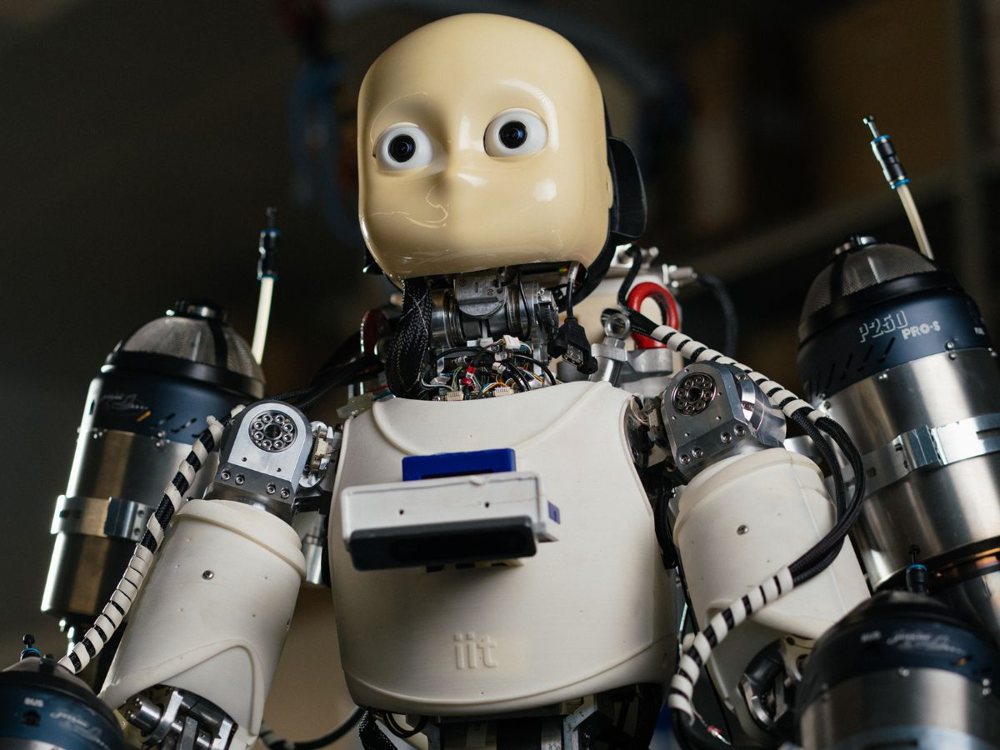
Istituto Italiano di Tecnologia (IIT) · research humanoid
iRonCub3
A jet-powered version of the iCub3 humanoid with four turbines (two on the arms, two on a back-mounted jetpack) giving over 1,000 N of thrust, a titanium spine and heat shields; in first tests it rose about 50 cm off the ground. Weight includes the engines.
- Price
- —Not published
- Height
- —Not published
- Weight
- 70 kgHeavier than 60%
- Payload
- —Not published
- Speed
- —Not published
- Battery
- —Not published
Not sure this is the one? Find the best robot for your job Starts with: research and teaching. Five more quick questions.
Why it matters
Described as the first jet-powered flying humanoid designed for real-world environments, and the first to use AI aerodynamic models for real-time flight control.
Real-world use
No customers or deployments reported yet.
Timeline
- First shown
- 2025-06
- Released
- Not yet
Maker
Istituto Italiano di Tecnologia (IIT)Government lab · founded 2003 · Genoa, ItalyAbout EUR 90 million a year from the Italian government; RobotCub received EUR 8.5 million from the European Commission
How it stacks up
Against other humanoids that publish the figure. Pick a measure.
iRonCub3 is heavier than 60% of the 277 other humanoids that publish a weight. Bars show the 7 closest in date.
Not published by the maker: height, speed, payload, joints, battery, price.
What it has been shown doing
We checked public videos and press for iRonCub3 and found no clear demo of the skills we track yet.
Public attention
How much public attention iRonCub3 gets, from open data.
- No Wikipedia article of its own yet
- 1 news story from reputable press listed on this page
Measures how much people read and write about a robot, not how good it is. Measured 2026-10-13; same method for every robot. How it is measured
What’s inside
The parts the company has talked about publicly.
- Movement
- Walks on legs
- Actuators & motors
- Four jet engines (two on the forearms, two on a back-mounted jetpack) giving more than 1,000 N of maximum thrust, on top of the iCub3 humanoid's electric joints. Exhaust is reported at about 700-800 degrees C.
- Hands
- Arms carry jet turbines; no dexterous-hand details given.
- Sensors & vision
- Integrated sensors for thrust control are mentioned; types not specified.
- Compute
- Not specified.
- Battery & power
- Not published (fuel and endurance figures not given).
- Materials & build
- New titanium spine to carry the external engines, plus heat-resistant covers. Total weight about 70 kg including engines.
- AI & software
- Flight-balance models covering multibody dynamics and jet-limb interaction; neural networks trained on simulation and wind-tunnel data estimate aerodynamic forces in real time; co-design of body shape, turbine placement and control; planners for coordinated take-off and landing. Published in Nature Communications Engineering (first author Antonello Paolino).
- Other details
- Wind-tunnel tests at Politecnico di Milano; first flights in IIT's test area lifted about 50 cm while stable; further tests planned at a dedicated area at Genoa Airport. Partners: Politecnico di Milano (DAER lab), Stanford University, University of Naples. Aimed at search-and-rescue, inspection and exploration.
Lineage
Every Istituto Italiano di Tecnologia (IIT), AMI Lab (Daniele Pucci) humanoid in order.
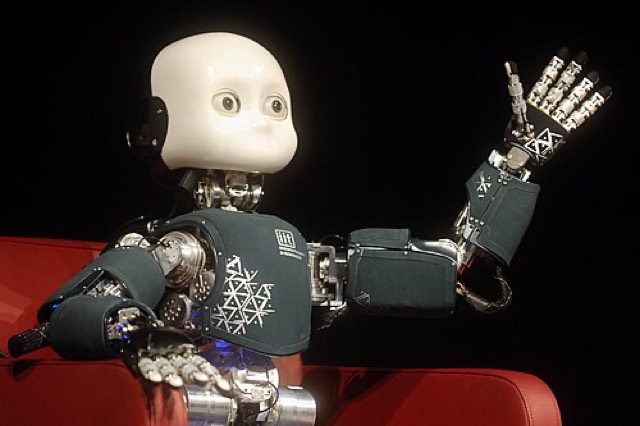 iCub2008Research
- No public photo yetWe only show photos we're allowed to useCOMAN (COmpliant huMANoid)2012Retired
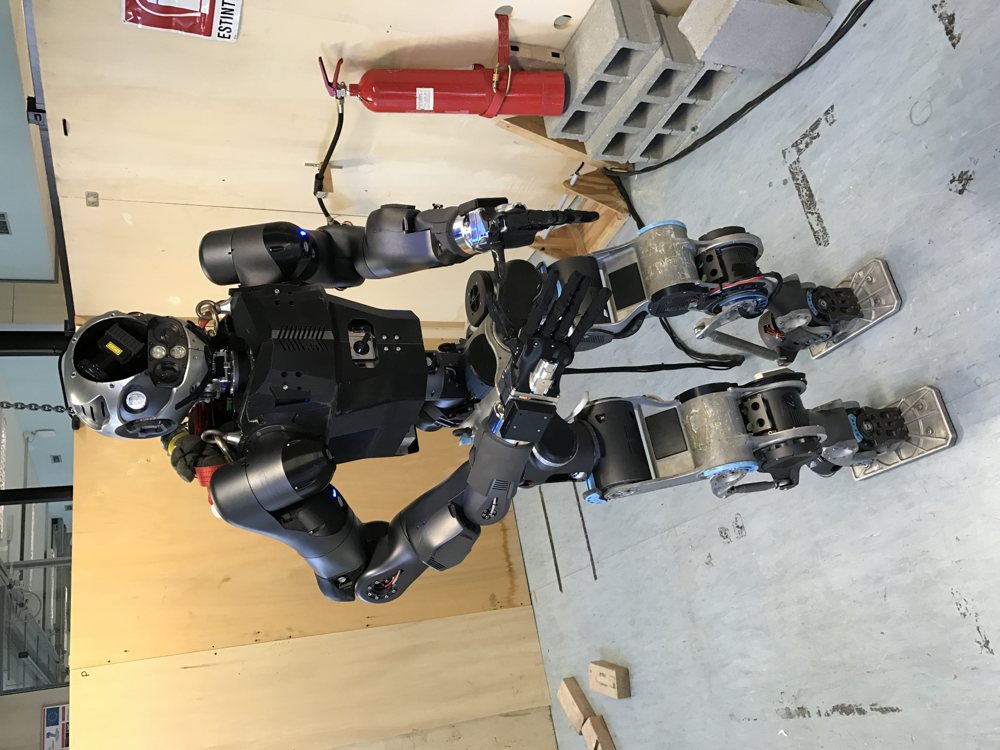 WALK-MAN2015Research
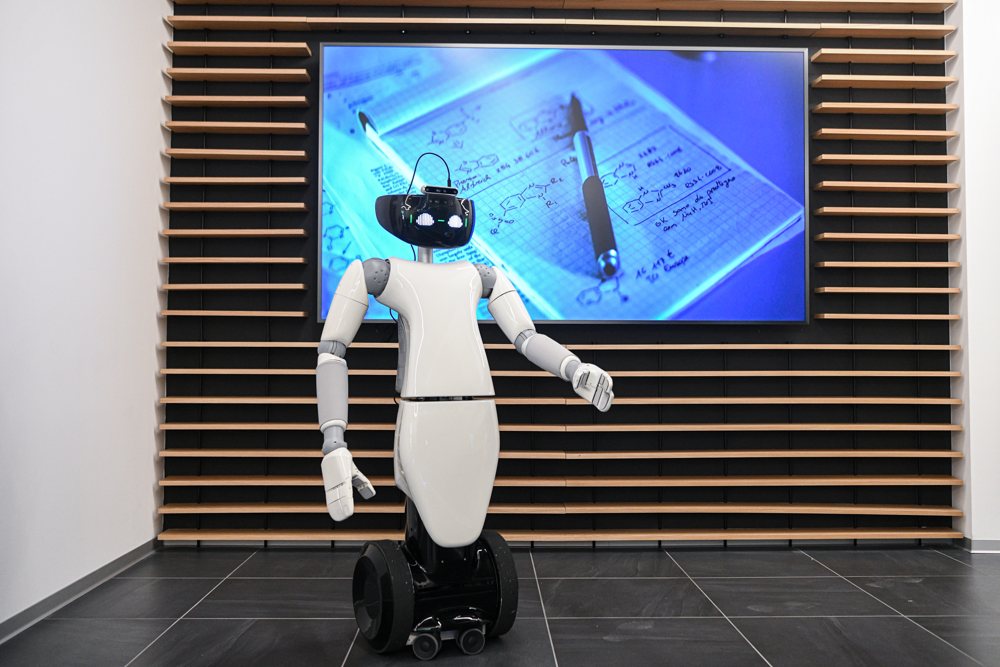 R12016Prototype
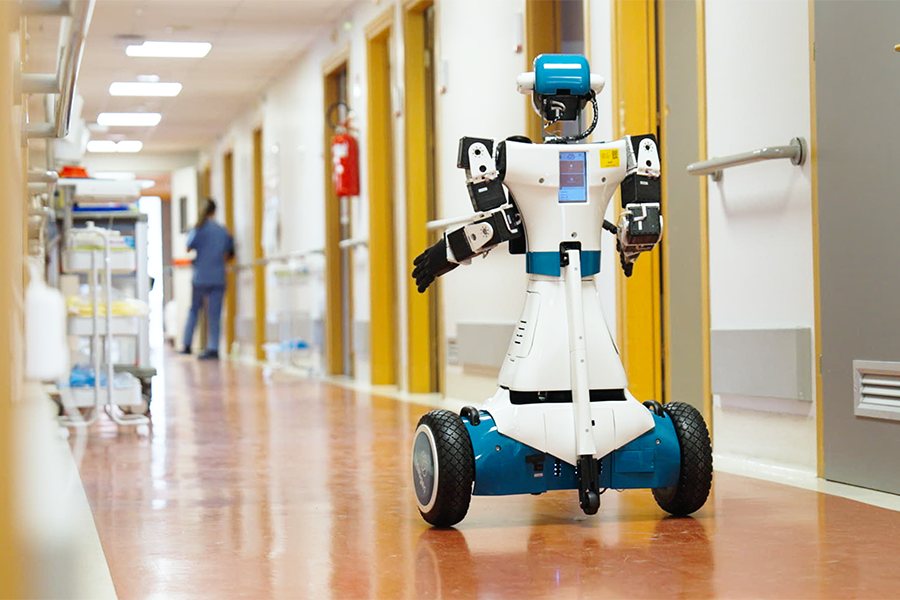 ALTER-EGO2017Pilot use
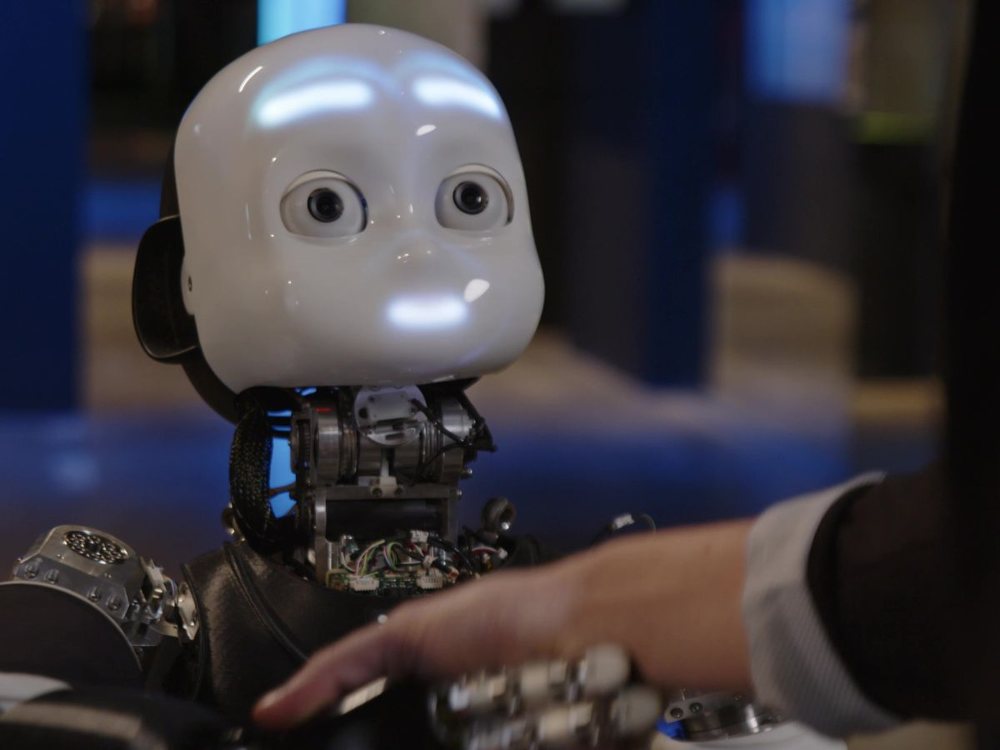 iCub32022Research
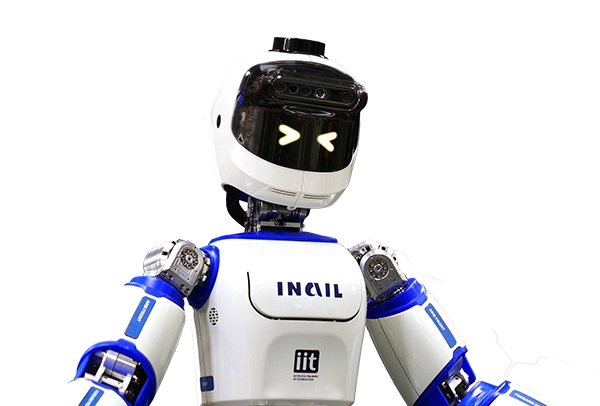 ergoCub2023Prototype
- iRonCub32025Research
Istituto Italiano di Tecnologia (IIT) also makes 3 machines. See every Istituto Italiano di Tecnologia (IIT) robot
Watch iRonCub3
Made, sold and where
Unit counts are usually company figures; analysts often disagree.
- Price
- Not published
- How to get one
- No official buying page found
- Sold or delivered
- Research robot, not for sale.
- Where it is sold or used
- Istituto Italiano di Tecnologia, Genoa, Italy
News
The latest 1, newest first. Summaries are ours; tap through for the original.
- IIT's jet-powered iRonCub3 lifts off
IIT reported that iRonCub3 rose about 50 cm in its first stable flight tests after two years of work, with results published in Nature Communications Engineering.
Robotics & Automation News
Side by side with its peers
Picked by the same rules for every humanoid: another maker’s robot that moves the same way, is at the same stage and does at least one of the same main jobs, first shown within two years. Closer size and price rank higher. How we choose
| Measure | iRonCub3Istituto Italiano di Tecnologia (IIT), AMI Lab (Daniele Pucci) | 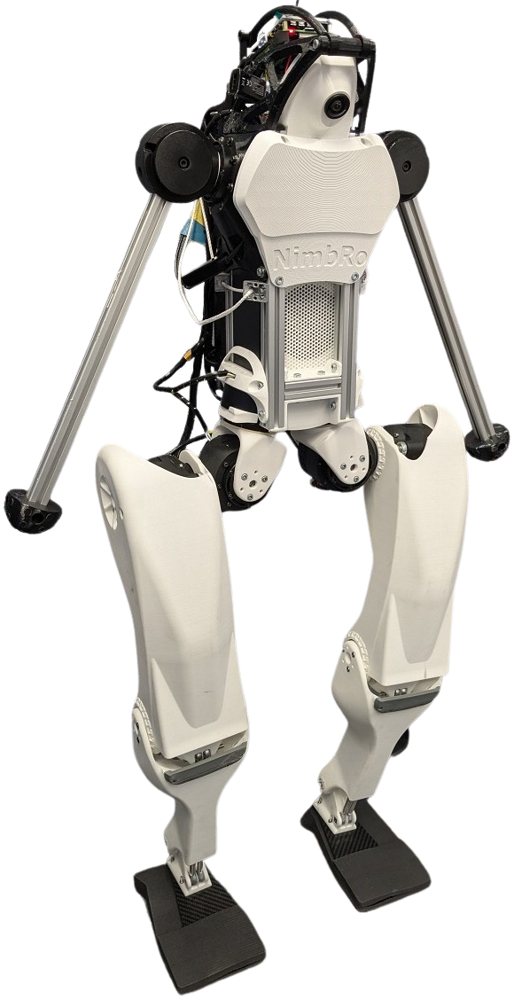 AGILOpedUniversity of Bonn, Autonomous Intelligent Systems groupSame job: research · Both walk · Both research platforms AGILOpedUniversity of Bonn, Autonomous Intelligent Systems groupSame job: research · Both walk · Both research platforms | 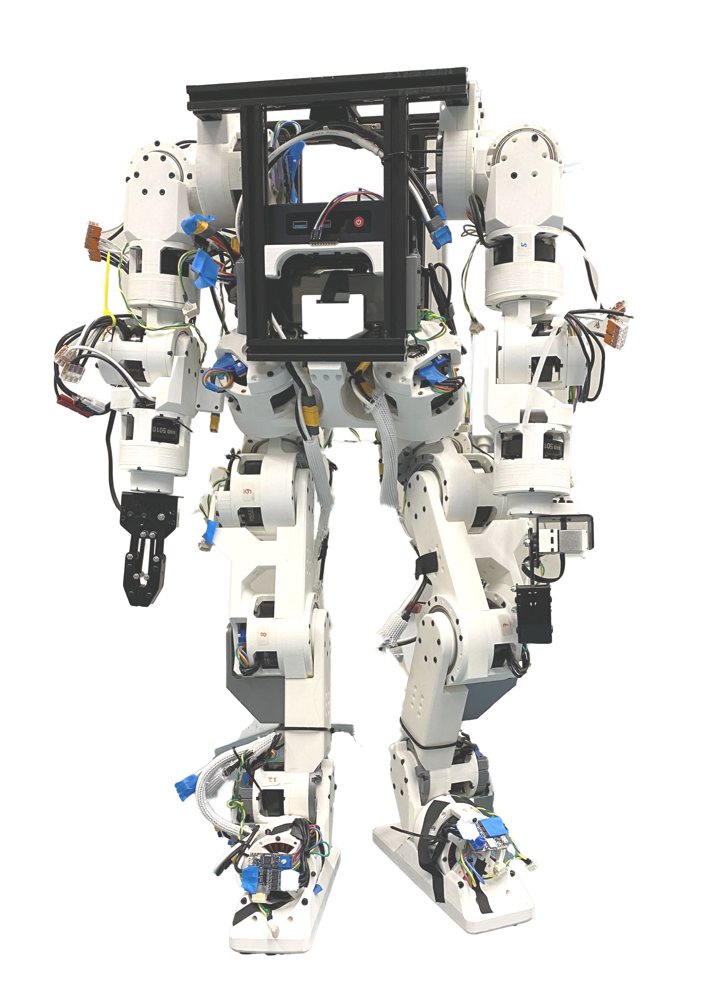 Berkeley Humanoid LiteUC Berkeley (Hybrid Robotics, Koushil Sreenath's lab)Same job: research · Both walk · Both research platforms Berkeley Humanoid LiteUC Berkeley (Hybrid Robotics, Koushil Sreenath's lab)Same job: research · Both walk · Both research platforms |  FRED (HR-S01)THKSame job: research · Both walk · Both research platforms FRED (HR-S01)THKSame job: research · Both walk · Both research platforms |
|---|---|---|---|---|
| First shown | 2025-06 | 2025-09-11 | 2025-04-24 | 2025-07-02 |
| Status | Research | Research | Research | Research |
| Height | — | 110 cm | 80 cm | 120 cm |
| Weight | 70 kg | 14.5 kg | 16 kg | 37.3 kg |
| Joints | — | 10 | — | 20 |
| Speed | — | — | — | 13.8 km/h |
| Payload | — | — | — | — |
| Battery | — | 2.5 h | 0.5 h | — |
| Price | — | $6,380 | $5,000 | — |
Sources
Figures come from press coverage. Every link below backs something on this page.
Photos and logos only identify each robot and its maker. Simbeing is not affiliated with, sponsored by or endorsing any company, and nothing here is advertising. Figures are for statistics only and are not advice of any kind. Terms of use