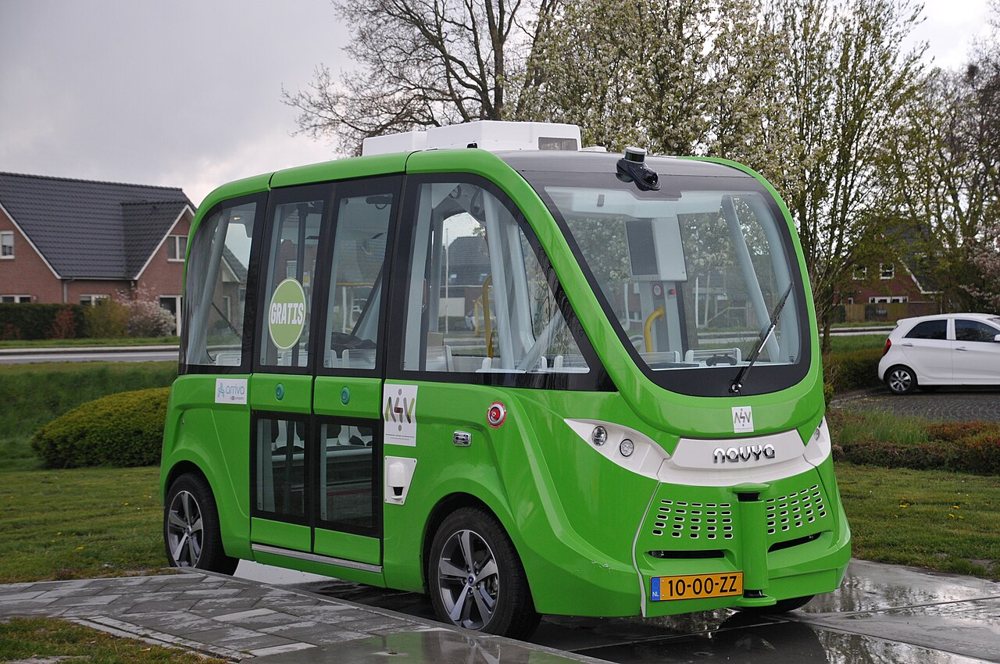
Navya · self-driving bus or shuttle
Arma
later Autonom Shuttle
A small battery-electric shuttle with no steering wheel, built in France and carrying up to about 15 people at low speed on fixed routes. It was later renamed Autonom Shuttle and replaced by the Evo version.
- Price
- —Price not published
- Autonomy
- SupervisedHow it runs
- Driverless
- Not yetSafety driver on board
- Fleet
- About 170Reported; details below
- Speed
- 45.0 km/hFaster than 77%
- Range
- —Not published
Why it matters
One of the first purpose-built driverless electric shuttles sold in series, and the most widely trialled shuttle of the late 2010s.
Real-world use
Ran trials from 2016 in places such as Lyon, Perth, Neuhausen am Rheinfall, Las Vegas and Ann Arbor, usually with an operator on board.
Maker
NavyaCompanyHow it drives
Fleet and city figures move fast; each carries its date and who reported it.
- Driverless status
- Safety driver on board
- Where it runs
- Trials in Lyon Confluence (2016), Perth (2016), Neuhausen am Rheinfall (2016-2021), Sion, Las Vegas (2017), Ann Arbor (University of Michigan, from 2016), Christchurch Airport (2017), Singapore (NTU), Doha, Masdar City, Cologne, Bordeaux, Val Thorens, Salford and Fukushima Daini (private site)
- Fleet
- About 170 Navya shuttles sold worldwide between September 2015 and June 2020 (Transbus)
How it stacks up
Against other buses & shuttles that publish the figure. Pick a measure.
Arma (later Autonom Shuttle) is faster than 77% of the 13 other buses & shuttles that publish a speed. Bars show the 7 closest in date.
Not published by the maker: height, weight, payload, joints, battery, price.
Public attention
A historic robot: no longer sold or in use, so it is not ranked against current vehicles.
- No Wikipedia article of its own yet
- No recent press stories listed yet
Measures how much people read and write about a robot, not how good it is. Measured 2026-10-13; same method for every robot. How it is measured
What’s inside
No component details published yet.
- Movement
- Wheeled base
- How it runs
- Supervised. Works by itself while a person watches and steps in.
Lineage
Every Navya vehicle in order.
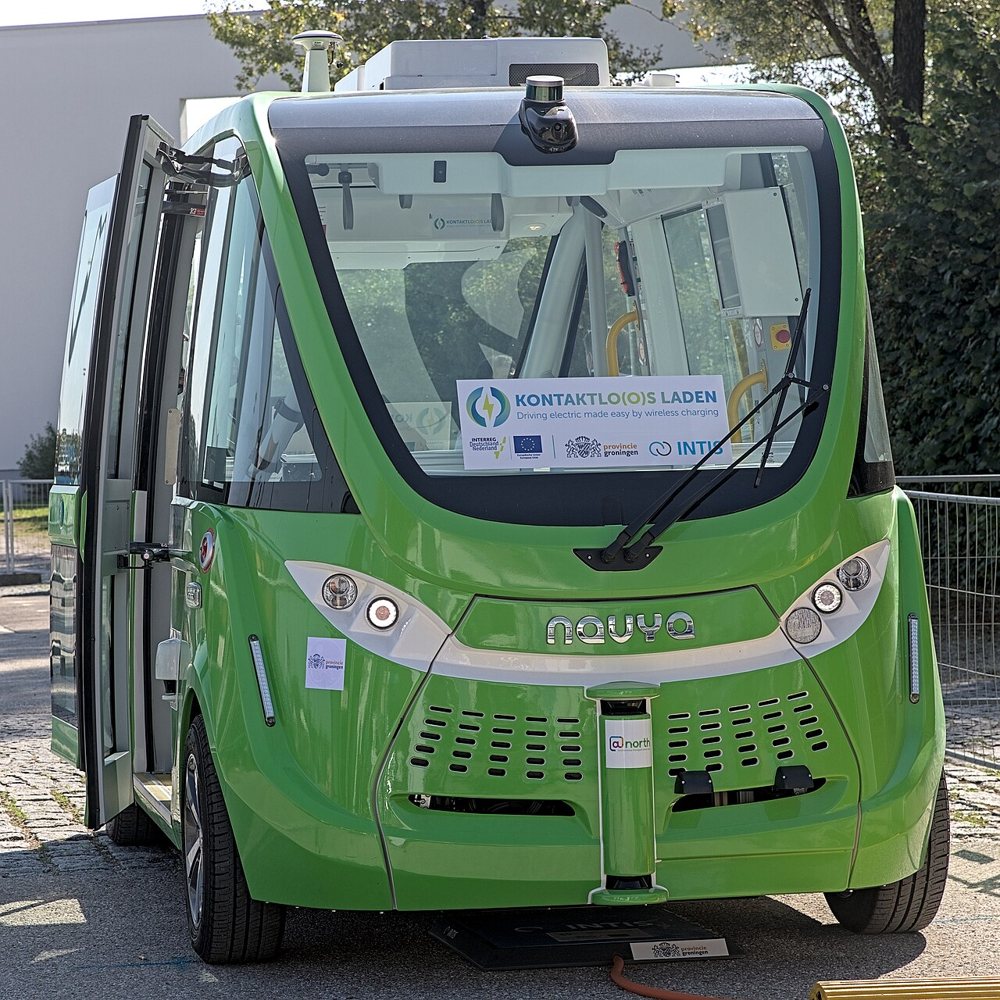
Made, sold and where
No production or sales figures published yet.
- Price
- Not publishedPrice not published
- How to get one
- No official buying page found
Side by side with its peers
Picked by the same rules for every robot: another maker’s robot that moves the same way, is at the same stage and does at least one of the same main jobs, first shown within two years. Closer size and price rank higher. How we choose
| Measure | Arma (later Autonom Shuttle)Navya | 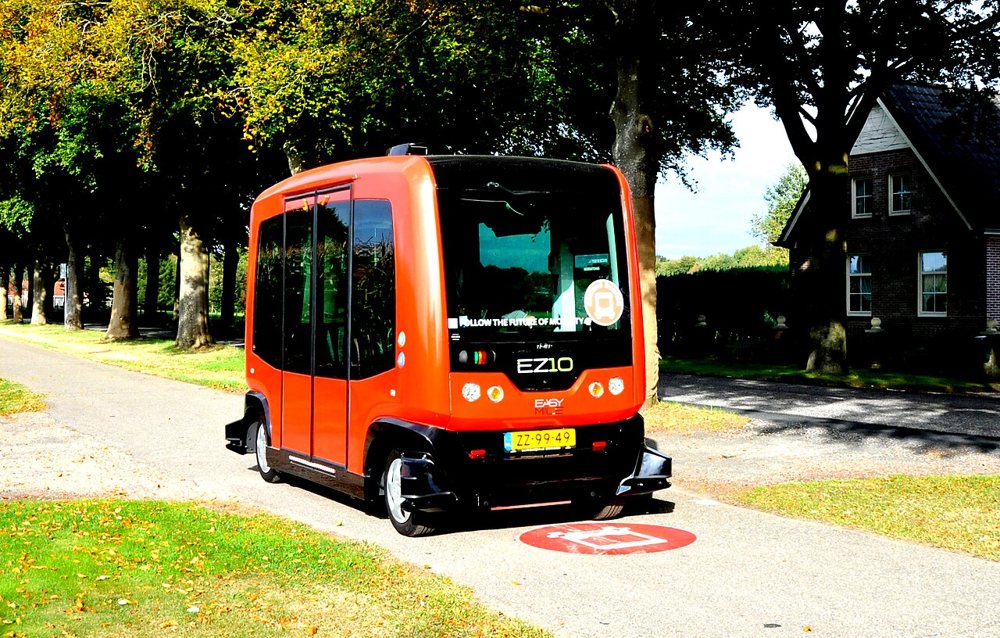 EZ10 (first generation)EasyMileSame job: passenger shuttle · Both on wheels · Both past robots EZ10 (first generation)EasyMileSame job: passenger shuttle · Both on wheels · Both past robots | 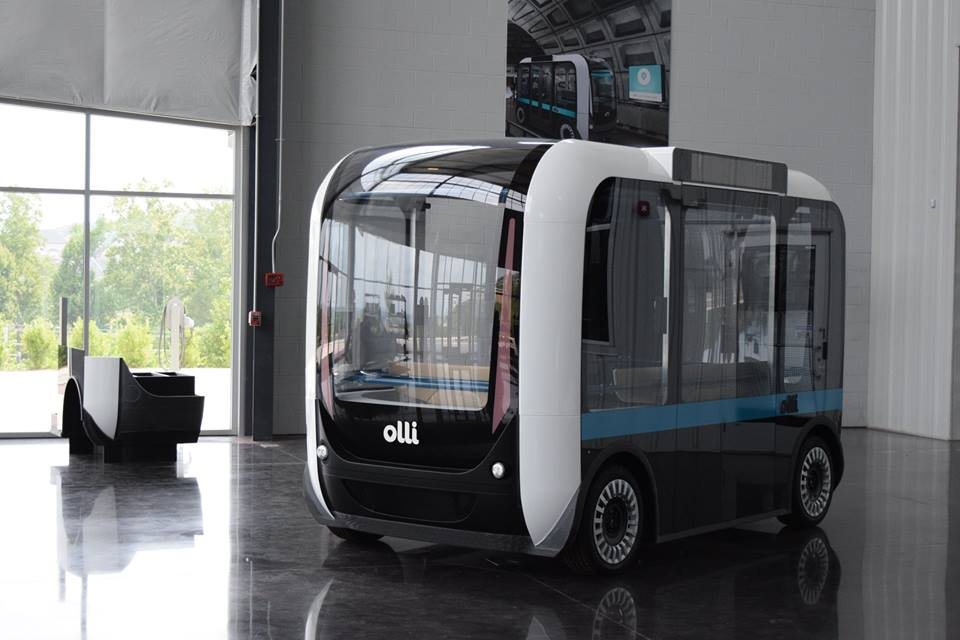 OlliLocal MotorsSame job: passenger shuttle · Both on wheels · Both past robots OlliLocal MotorsSame job: passenger shuttle · Both on wheels · Both past robots | 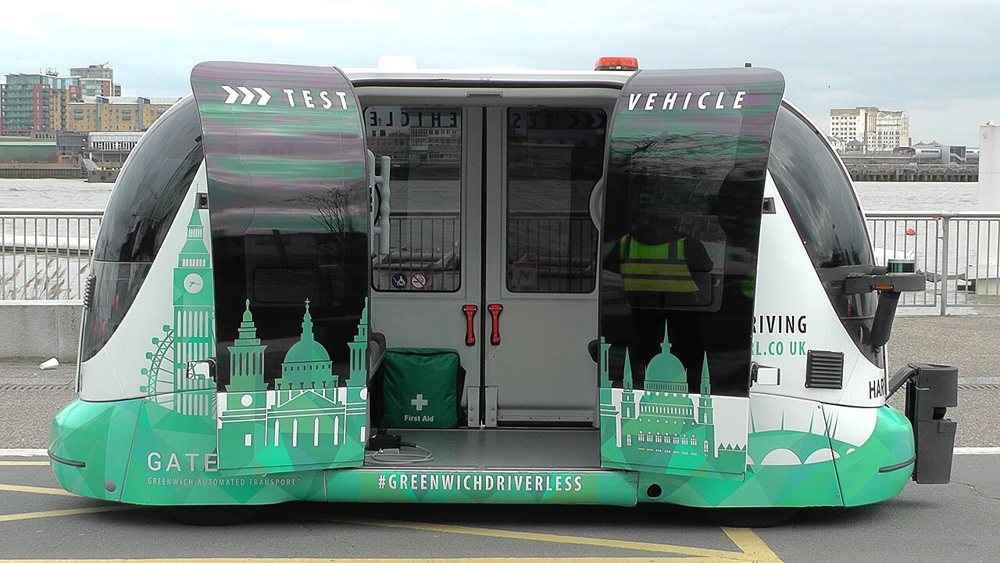 Westfield POD (GATEway)Westfield Technology GroupSame job: passenger shuttle · Both on wheels · Both past robots Westfield POD (GATEway)Westfield Technology GroupSame job: passenger shuttle · Both on wheels · Both past robots |
|---|---|---|---|---|
| First shown | 2015-10 | 2015-04 | 2016-06-16 | 2017-04 |
| Status | Discontinued | Discontinued | Discontinued | Retired |
| Height | — | 275 cm | — | — |
| Weight | — | — | — | — |
| Joints | — | — | — | — |
| Speed | 45 km/h | — | — | — |
| Payload | — | — | — | — |
| Battery | — | 14 h | — | — |
| Price | — | — | — | — |
Sources
Figures come from press coverage. Every link below backs something on this page.
Photos and logos only identify each robot and its maker. Simbeing is not affiliated with, sponsored by or endorsing any company, and nothing here is advertising. Figures are for statistics only and are not advice of any kind. Terms of use