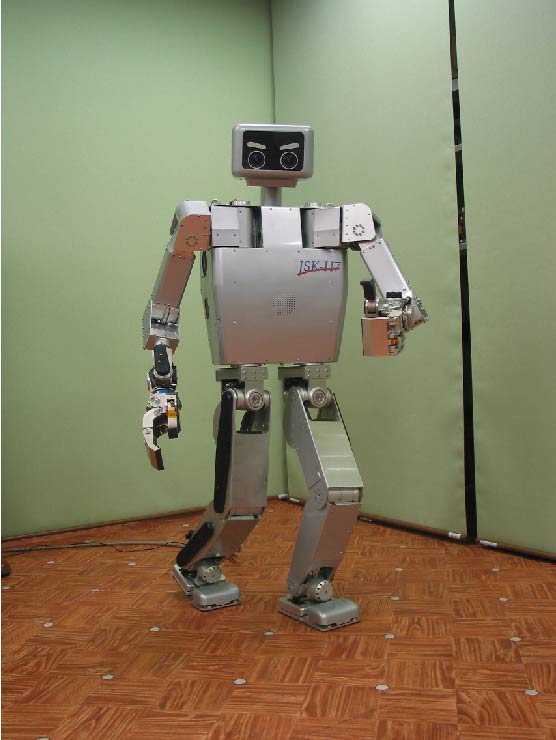
JSK Laboratory, University of Tokyo · research humanoid
H7
A full-size biped research humanoid completed in 2001 at the end of a five-year project begun in 1996, used by the JSK lab for whole-body sensing, collision checking and vision-guided walking. It followed H6 (already listed), and Kawada used the know-how from both in its isamu robot; official height and weight were not found on the lab page.
- Price
- —Not published
- Height
- —Not published
- Weight
- —Not published
- Payload
- —Not published
- Speed
- —Not published
- Battery
- —Not published
Not sure this is the one? Find the best robot for your job Starts with: research and teaching. Five more quick questions.
Why it matters
A retired humanoid from University of Tokyo JSK Lab (Inoue-Inaba Lab), built with Kawada Industries.
Real-world use
No customers or deployments reported yet.
Public attention
A historic robot: no longer sold or in use, so it is not ranked against current humanoids.
- No Wikipedia article of its own yet
- No recent press stories listed yet
Measures how much people read and write about a robot, not how good it is. Measured 2026-10-13; same method for every robot. How it is measured
What’s inside
No component details published yet.
- Hands
- simple
- Movement
- Walks on legs
Lineage
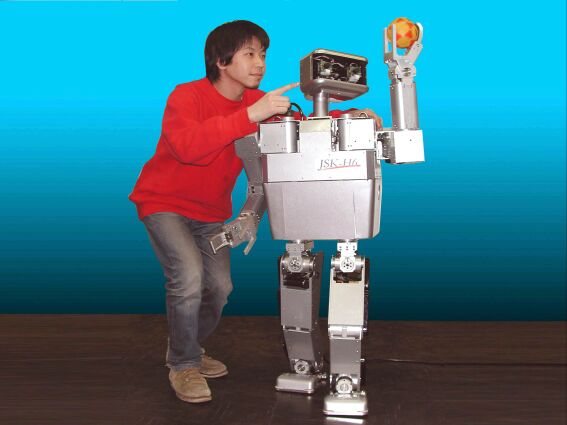
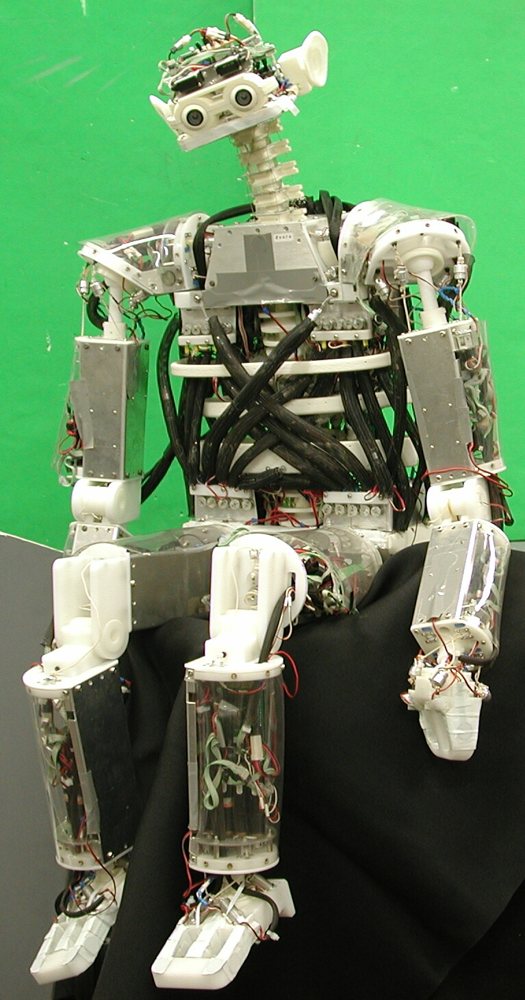
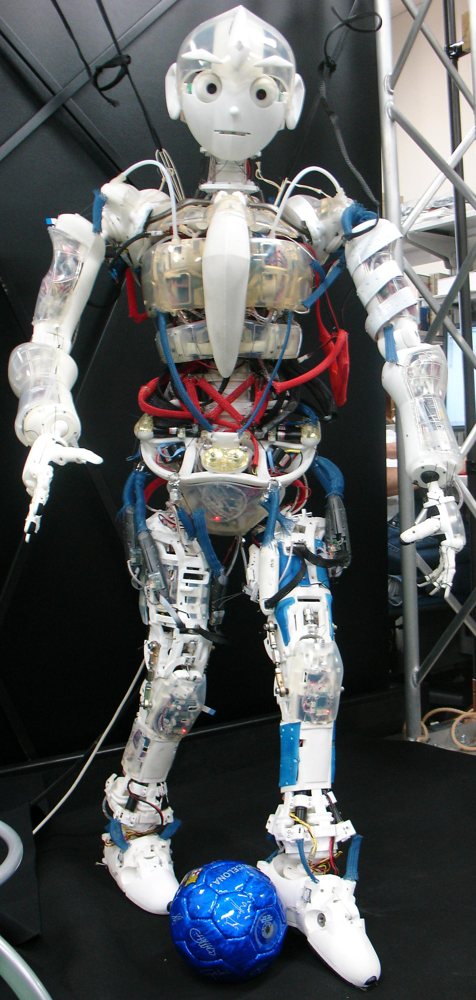
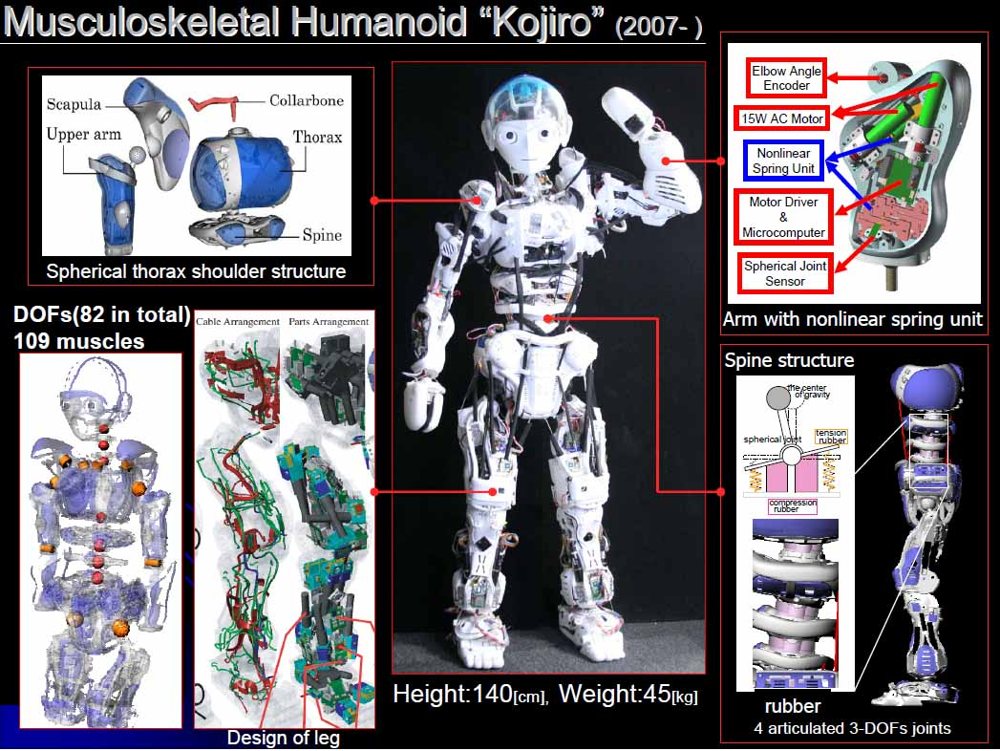
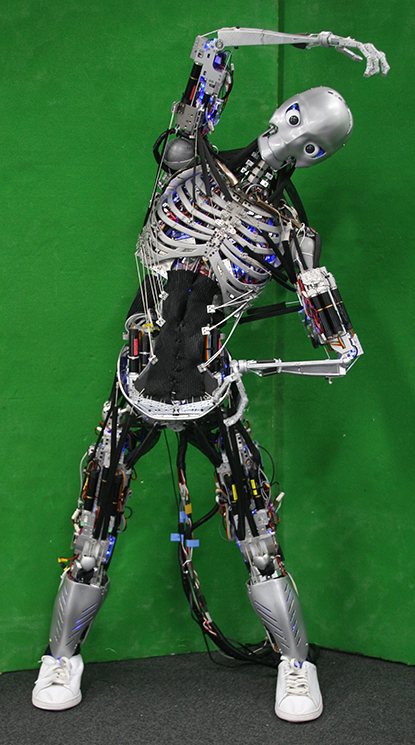
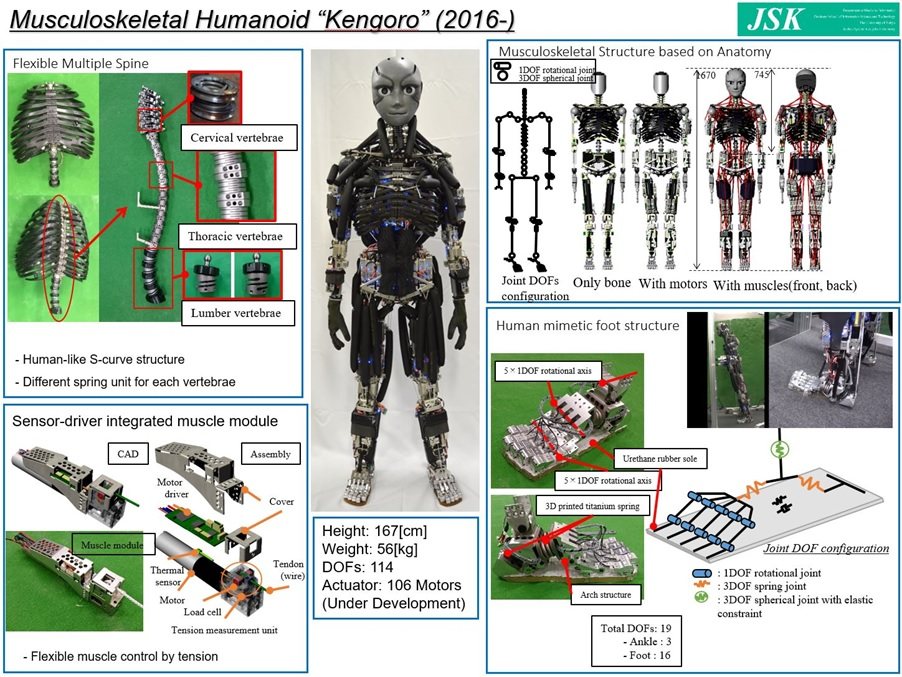
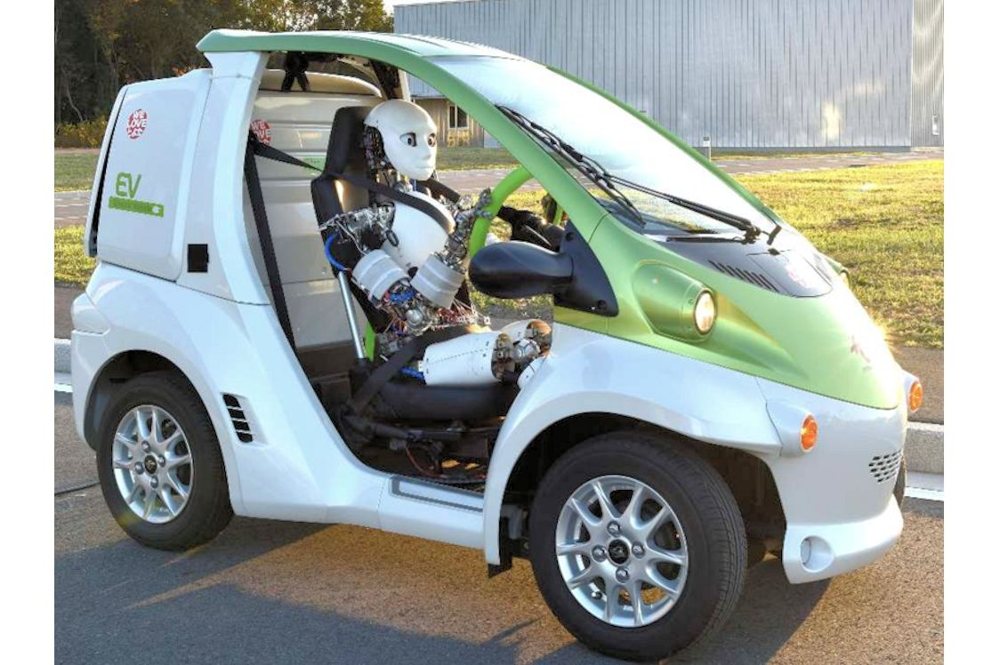
Every University of Tokyo JSK Lab (Inoue-Inaba Lab), built with Kawada Industries humanoid in order.
Made, sold and where
No production or sales figures published yet.
- Price
- Not published
- How to get one
- No official buying page found
Side by side with its peers
Picked by the same rules for every humanoid: another maker’s robot that moves the same way, is at the same stage and does at least one of the same main jobs, first shown within two years. Closer size and price rank higher. How we choose
| Measure | H7University of Tokyo JSK Lab (Inoue-Inaba Lab), built with Kawada Industries | 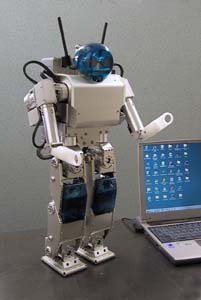 HOAP-1Fujitsu Automation / Fujitsu LaboratoriesSame job: research · Both walk · Both past robots HOAP-1Fujitsu Automation / Fujitsu LaboratoriesSame job: research · Both walk · Both past robots | 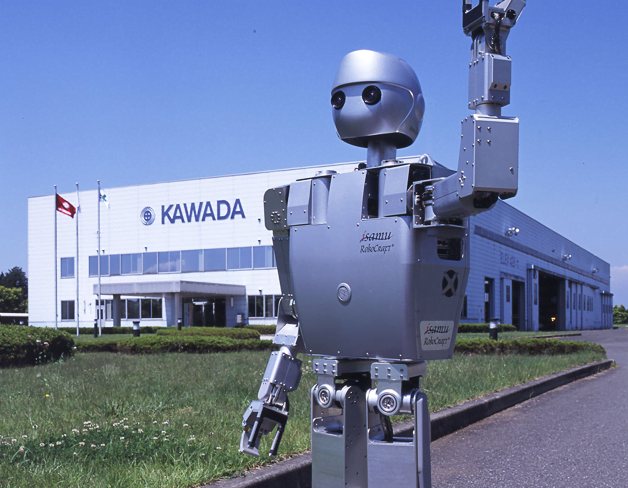 isamuKawada IndustriesSame job: research · Both walk · Both past robots isamuKawada IndustriesSame job: research · Both walk · Both past robots | No public photo yetWe only show photos we're allowed to useXianxingzhe (Pioneer)National University of Defense Technology (NUDT)Same job: research · Both walk · Both past robots |
|---|---|---|---|---|
| First shown | 2001 | 2001-09-10 | 2001 | 2000-11-29 |
| Status | Retired | Discontinued | Retired | Retired |
| Height | — | 48 cm | — | 140 cm |
| Weight | — | 6 kg | — | 20 kg |
| Joints | — | 20 | — | — |
| Speed | — | — | — | — |
| Payload | — | — | — | — |
| Battery | — | — | — | — |
| Price | — | $41,000 | — | — |
Sources
Figures come from the maker. Every link below backs something on this page.
Photos and logos only identify each robot and its maker. Simbeing is not affiliated with, sponsored by or endorsing any company, and nothing here is advertising. Figures are for statistics only and are not advice of any kind. Terms of use