RIKEN Bio-Mimetic Control Research Center · research humanoid
RI-MAN
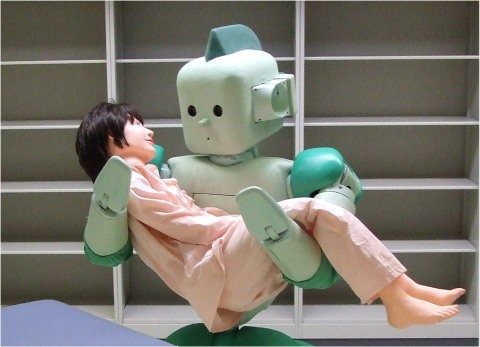
A soft-skinned care humanoid covered in tactile sensor sheets that used vision, hearing and smell to find a caller and lift a person-sized doll in its arms. In 2006 it carried a 12 kg doll; RIKEN later said its best was an 18.5 kg doll, and the work fed into the RIBA project.
- Price
- —Not published
- Height
- 158 cmTaller than 38%
- Weight
- —Not published
- Payload
- —Not published
- Speed
- —Not published
- Battery
- —Not published
Not sure this is the one? Find the best robot for your job Starts with: care and hospitals. Five more quick questions.
Why it matters
Presented as the world's first robot built to lift and carry people; named one of TIME's best inventions of 2006.
Real-world use
No customers or deployments reported yet.
Maker
RIKEN Bio-Mimetic Control Research CenterGovernment lab · Nagoya, JapanPart of RIKEN, Japan's national research institute (founded 1917, almost entirely government-funded; about ¥100 billion budget in FY2023).
How it stacks up
Against other humanoids that publish the figure. Pick a measure.
RI-MAN is taller than 38% of the 305 other humanoids that publish a height. Bars show the 7 closest in date.
Not published by the maker: weight, speed, payload, joints, battery, price.
Public attention
A historic robot: no longer sold or in use, so it is not ranked against current humanoids.
- No Wikipedia article of its own yet
- 2 news stories from reputable press listed on this page
Measures how much people read and write about a robot, not how good it is. Measured 2026-10-13; same method for every robot. How it is measured
What’s inside
The parts the company has talked about publicly.
- Movement
- Wheeled base
- Actuators & motors
- RIKEN credited a 'coupled-drive' mechanism and whole-body power use, like a person lifting with all muscles; maker claims it could hold up to 35 kg. Motor type and count not stated in the English release.
- Hands
- No hands for gripping; it cradled people-sized dolls on its forearms and chest, with tactile sensor sheets on the arms and chest sensing how the weight was spread.
- Sensors & vision
- Tactile sensors embedded in the arms and chest (64-element tactile sheets, about 15 ms to process one sheet, per RIKEN's 2009 review); vision, hearing (sound-source finding) and smell sensors.
- Compute
- Hierarchical distributed processing modelled on the brain, linking senses to motion (RIKEN). Specific computers not identified in the English sources read.
- Other details
- Operating noise 60.0 dB(A) (RIKEN, 2009). Name stands for Robot Interacting with Human. Lifted a 12 kg doll at the 2006 launch; RIKEN later gave 18.5 kg (a doll in a set seated position) as its best lift.
From the maker
RI-MAN is the only humanoid from RIKEN Bio-Mimetic Control Research Center in the atlas.
Made, sold and where
Unit counts are usually company figures; analysts often disagree.
- Price
- Not published
- How to get one
- No official buying page found
- Built
- 1 research prototype
- Sold or delivered
- not sold
- Where it is sold or used
- RIKEN Bio-Mimetic Control Research Center (Nagoya, Japan)
News
The latest 2, newest first. Summaries are ours; tap through for the original.
- RIBA succeeds RI-MAN and lifts real people
RIKEN and Tokai Rubber unveiled RIBA, which built on RI-MAN and could lift a patient of up to 61 kg, versus RI-MAN's 18.5 kg doll.
RIKEN - RIKEN unveils RI-MAN, a robot that holds a person
RIKEN announced RI-MAN, which used tactile sensors in its arms and chest to cradle a 12 kg doll.
RIKEN
Side by side with its peers
Picked by the same rules for every humanoid: another maker’s robot that moves the same way, is at the same stage and does at least one of the same main jobs, first shown within two years. Closer size and price rank higher. Few robots match closely, so these are the nearest matches. How we choose
| Measure | RI-MANRIKEN Bio-Mimetic Control Research Center | 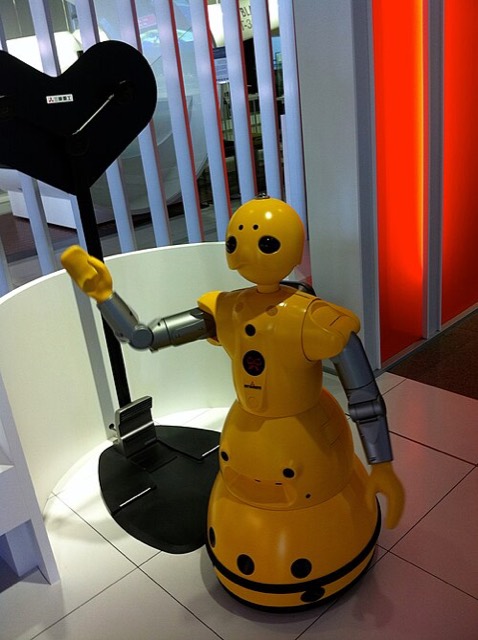 wakamaruMitsubishi Heavy IndustriesSame job: care · Both on wheels · Both past robots wakamaruMitsubishi Heavy IndustriesSame job: care · Both on wheels · Both past robots | 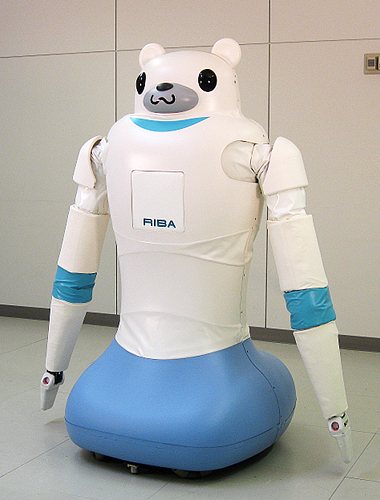 RIBA (Robot for Interactive Body Assistance)RIKEN and Tokai Rubber IndustriesSame job: care · Both on wheels · Both past robots RIBA (Robot for Interactive Body Assistance)RIKEN and Tokai Rubber IndustriesSame job: care · Both on wheels · Both past robots | 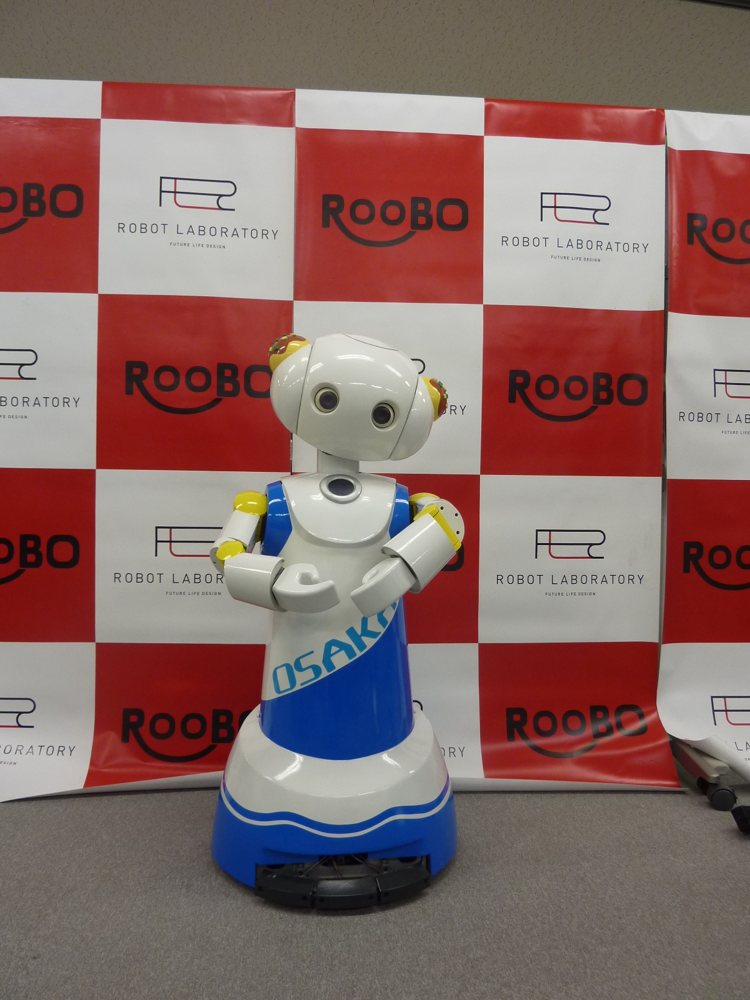 Robovie-R Ver.3Vstone and ATRSame job: care · Both on wheels · Both past robots Robovie-R Ver.3Vstone and ATRSame job: care · Both on wheels · Both past robots |
|---|---|---|---|---|
| First shown | 2006-03-13 | 2003-02 | 2009-08-27 | 2010-04-16 |
| Status | Retired | Discontinued | Retired | Discontinued |
| Height | 158 cm | 100 cm | — | 120 cm |
| Weight | — | — | 180 kg | 43 kg |
| Joints | — | — | — | 17 |
| Speed | — | 1 km/h | — | 2.5 km/h |
| Payload | — | — | 61 kg | — |
| Battery | — | 2 h | — | — |
| Price | — | $14,300 | — | $41,000 |
Sources
Figures come from the maker. Every link below backs something on this page.
Photos and logos only identify each robot and its maker. Simbeing is not affiliated with, sponsored by or endorsing any company, and nothing here is advertising. Figures are for statistics only and are not advice of any kind. Terms of use