KAIST (Korea Advanced Institute of Science and Technology) · research humanoid
Pibot
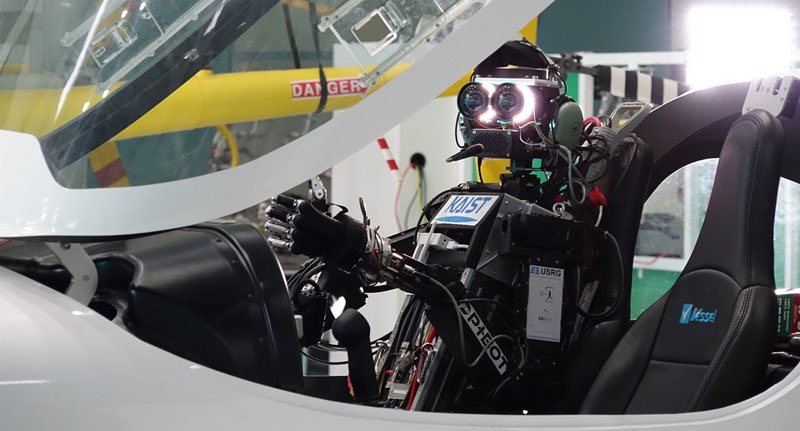
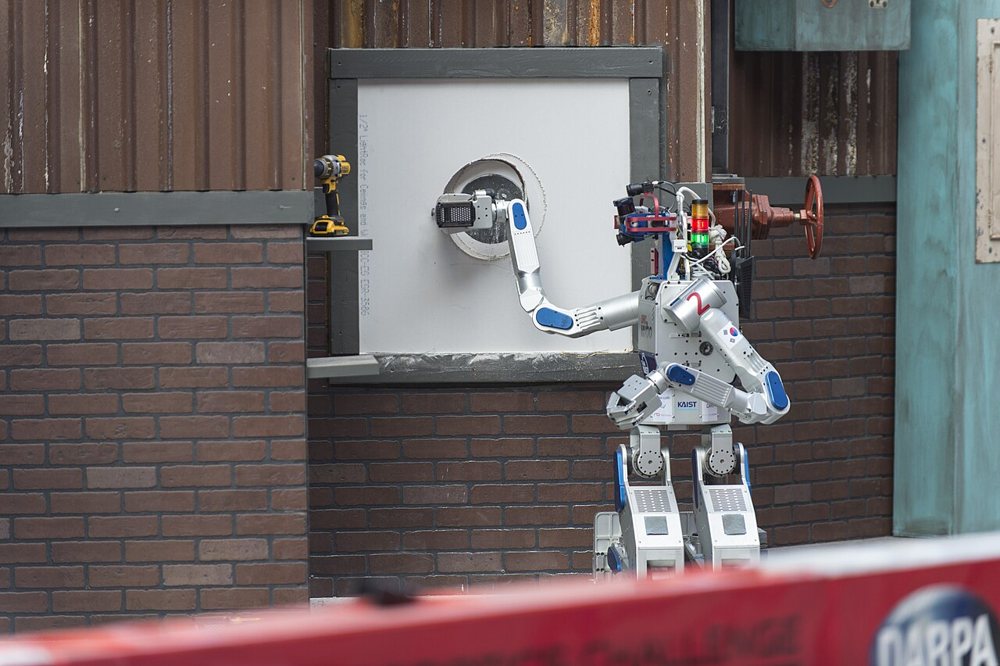
A 160 cm humanoid that sits in a cockpit and works the controls with its own arms and fingers, using cameras to read instruments, so a plane can fly without being modified. It has flown in a simulator; the team aimed for a real flight by 2026, funded by Korea's defence research agency.
- Price
- —Not published
- Height
- 160 cmTaller than 40%
- Weight
- 65 kgHeavier than 55%
- Payload
- —Not published
- Speed
- —Not published
- Battery
- —Not published
Not sure this is the one? Find the best robot for your job Starts with: research and teaching. Five more quick questions.
Why it matters
Billed by KAIST as the first humanoid built to fly an unmodified aircraft from the pilot's seat.
Real-world use
Agency for Defense Development (funder)
Maker
KAIST (Korea Advanced Institute of Science and Technology)University lab · Daejeon, South KoreaAgency for Defense Development (5.7 billion won for Pibot)
How it stacks up
Against other humanoids that publish the figure. Pick a measure.
Pibot is taller than 40% of the 305 other humanoids that publish a height. Bars show the 7 closest in date.
Pibot is heavier than 55% of the 277 other humanoids that publish a weight. Bars show the 7 closest in date.
Not published by the maker: speed, payload, joints, battery, price.
What it has been shown doing
We checked public videos and press for Pibot and found no clear demo of the skills we track yet.
Public attention
How much public attention Pibot gets, from open data.
- No Wikipedia article of its own yet
- 2 news stories from reputable press listed on this page
Measures how much people read and write about a robot, not how good it is. Measured 2026-10-13; same method for every robot. How it is measured
What’s inside
The parts the company has talked about publicly.
- Movement
- Stationary
- Hands
- Articulated arms and fingers that work standard cockpit controls without modifying the aircraft.
- Sensors & vision
- Cameras read cockpit instruments and watch outside the aircraft.
- Materials & build
- 160 cm tall, 65 kg.
- Other details
- Funded by South Korea's Agency for Defense Development with 5.7 billion won (about USD 4.5 million); project ran 2022-2026 with a light-aircraft test flight planned. Successor to a small 2016 robot pilot shown in a simulator at IROS 2016. Team says it could later drive cars or armoured vehicles.
Lineage
Every KAIST (David Hyunchul Shim's lab) humanoid in order.
- No public photo yetWe only show photos we're allowed to useKHR-22004Retired
 HUBO (KHR-3)2004Retired
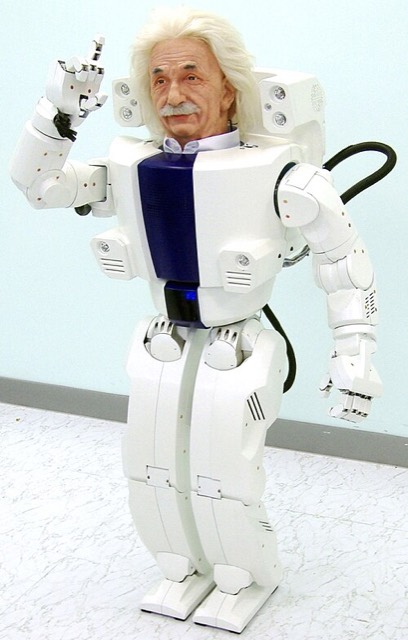 Albert HUBO2005Discontinued
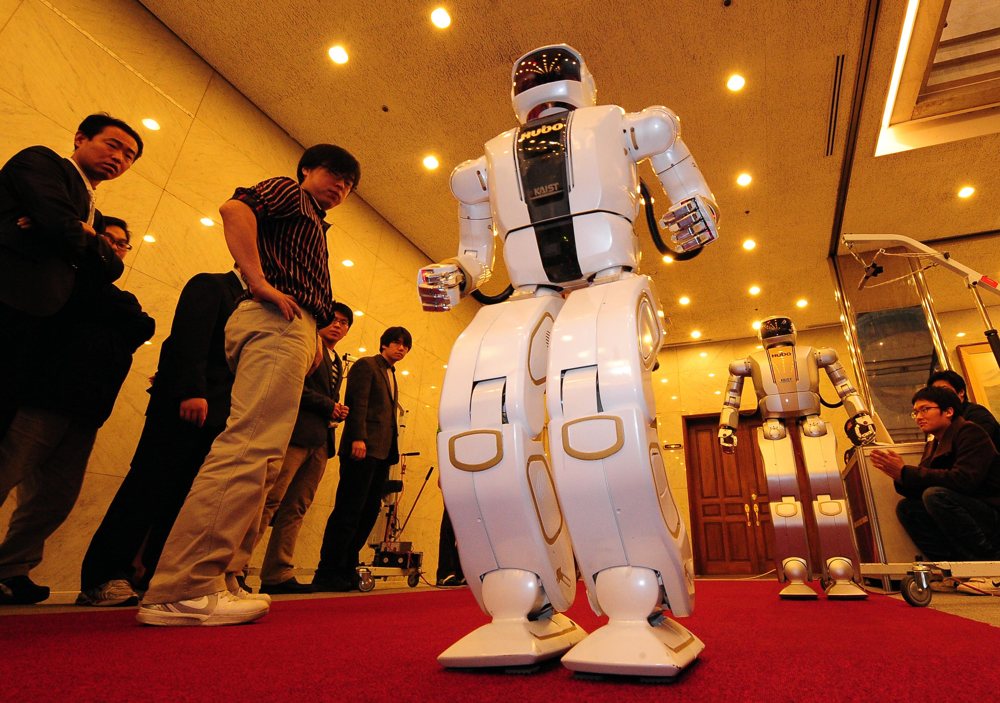 HUBO 2 (KHR-4)2008Discontinued
 DRC-HUBO2015Retired
- Pibot2023Prototype
KAIST (Korea Advanced Institute of Science and Technology) also makes 1 machine. See every KAIST (Korea Advanced Institute of Science and Technology) robot
Watch Pibot
Made, sold and where
Unit counts are usually company figures; analysts often disagree.
- Price
- Not published
- How to get one
- No official buying page found
- Built
- Research prototype
- Sold or delivered
- not sold
- Where it is sold or used
- Daejeon, South Korea (KAIST)
- Customers and pilots
- Agency for Defense Development (funder)
News
The latest 2, newest first. Summaries are ours; tap through for the original.
- Pibot humanoid pilot uses LLMs Interesting Engineering
- KAIST develops first humanoid robot pilot
Korea JoongAng Daily said the ADD-funded project aims to finish by 2026 with a light-aircraft test flight.
Korea JoongAng Daily via Daum
Sources
Figures come from press coverage. Every link below backs something on this page.
Photos and logos only identify each robot and its maker. Simbeing is not affiliated with, sponsored by or endorsing any company, and nothing here is advertising. Figures are for statistics only and are not advice of any kind. Terms of use