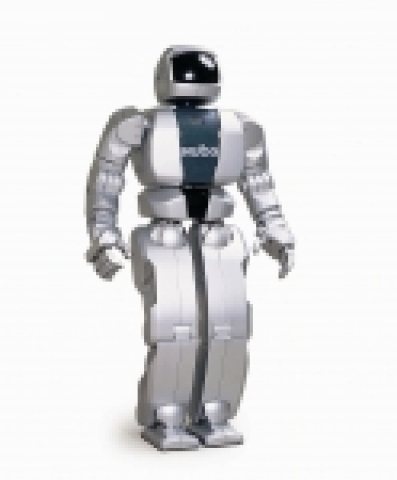
KAIST (Korea Advanced Institute of Science and Technology) · research humanoid
HUBO
KHR-3
KAIST's third humanoid, about ASIMO's size, built in 2004 and released in January 2005 after the smaller KHR-1 (2002-03) and KHR-2 (2004). It walked at about 1.25 km/h and could run for about an hour.
- Price
- —Not published
- Height
- 125 cmTaller than 17%
- Weight
- 55 kgHeavier than 38%
- Payload
- —Not published
- Speed
- 1.2 km/hFaster than 7%
- Battery
- 1 hRuns longer than 3%
Not sure this is the one? Find the best robot for your job Starts with: research and teaching. Five more quick questions.
Why it matters
South Korea's first full-size self-contained walking humanoid, presented as a rival to ASIMO.
Real-world use
No customers or deployments reported yet.
Maker
KAIST (Korea Advanced Institute of Science and Technology)University lab · Daejeon, South KoreaAgency for Defense Development (5.7 billion won for Pibot)
How it stacks up
Against other humanoids that publish the figure. Pick a measure.
HUBO (KHR-3) is taller than 17% of the 305 other humanoids that publish a height. Bars show the 7 closest in date.
HUBO (KHR-3) is heavier than 38% of the 277 other humanoids that publish a weight. Bars show the 7 closest in date.
HUBO (KHR-3) is faster than 7% of the 122 other humanoids that publish a speed. Bars show the 7 closest in date.
HUBO (KHR-3) runs longer than 3% of the 119 other humanoids that publish a battery. Bars show the 7 closest in date.
Not published by the maker: payload, joints, price.
Public attention
A historic robot: no longer sold or in use, so it is not ranked against current humanoids.
- 326 views of its Wikipedia article in the last 90 days (HUBO)
- 2 news stories from reputable press listed on this page
Measures how much people read and write about a robot, not how good it is. Measured 2026-10-13; same method for every robot. How it is measured
What’s inside
The parts the company has talked about publicly.
- Hands
- dexterous
- Movement
- Walks on legs
- Sensors & vision
- Vision with two independently operating eyes; voice recognition and speech synthesis (New Atlas).
- Compute
- On-board intelligence supplemented by a wireless link to an external server (New Atlas).
- Other details
- 41 DoF, 125 cm and 55 kg (Park et al., 2005).
Lineage
Every KAIST Hubo Lab (Jun-Ho Oh) humanoid in order.
- No public photo yetWe only show photos we're allowed to useKHR-22004Retired
- HUBO (KHR-3)2004Retired
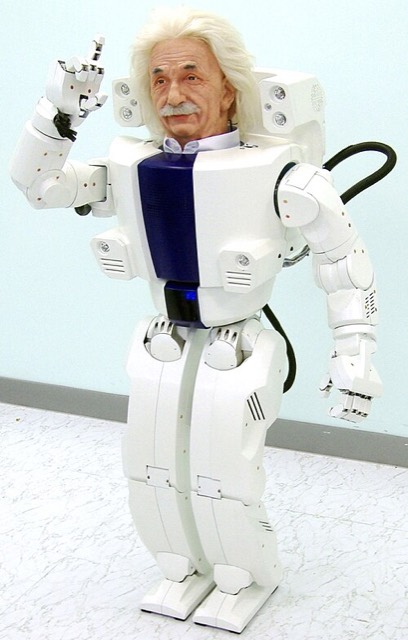 Albert HUBO2005Discontinued
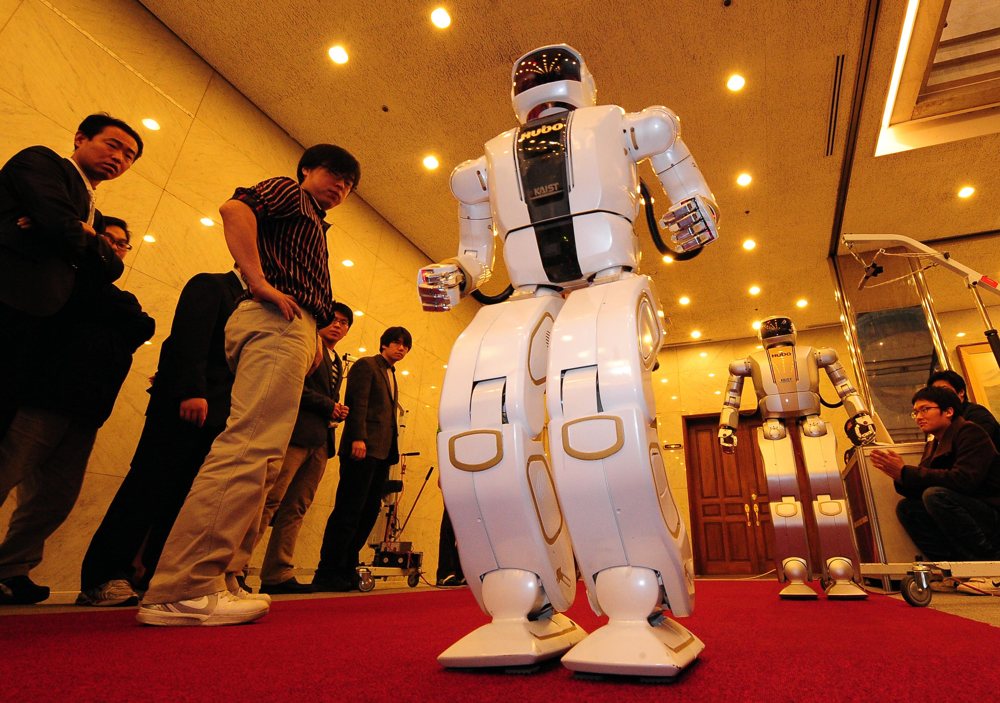 HUBO 2 (KHR-4)2008Discontinued
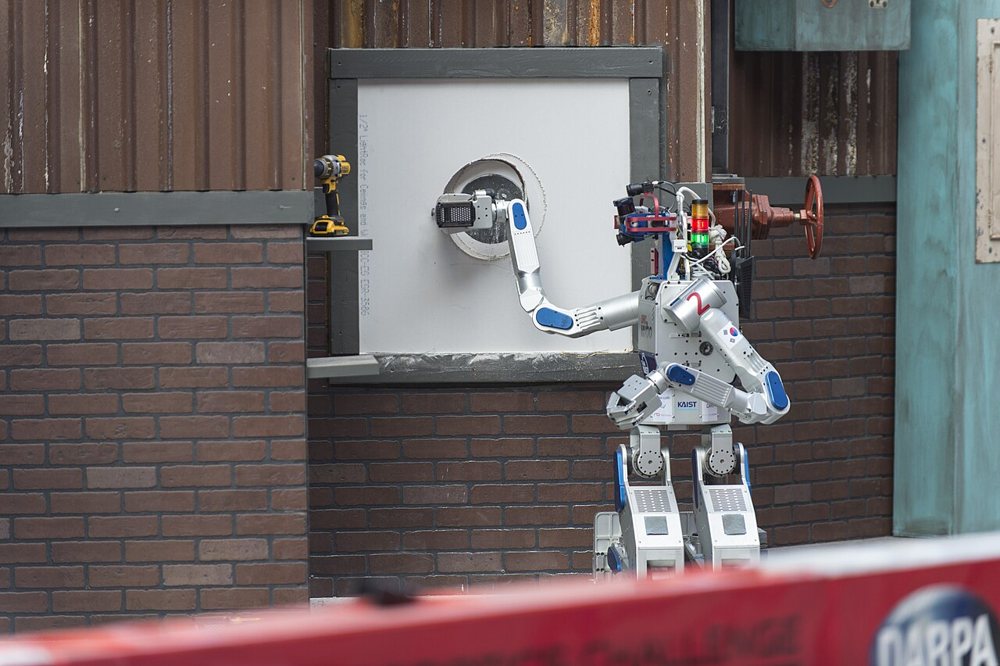 DRC-HUBO2015Retired
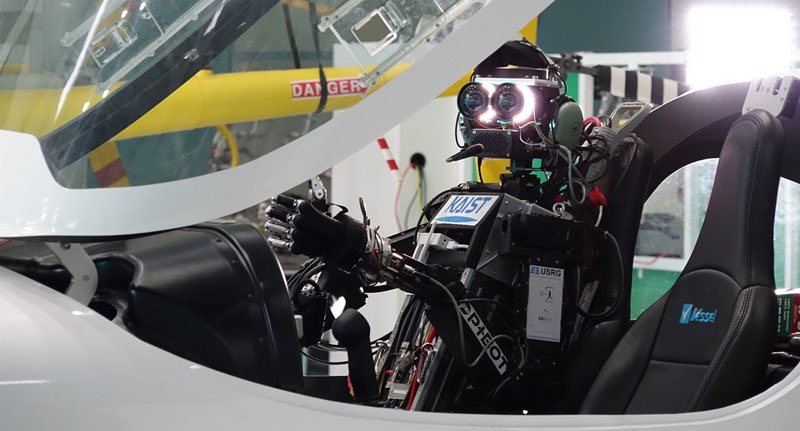 Pibot2023Prototype
KAIST (Korea Advanced Institute of Science and Technology) also makes 1 machine. See every KAIST (Korea Advanced Institute of Science and Technology) robot
Watch HUBO (KHR-3)
Made, sold and where
Unit counts are usually company figures; analysts often disagree.
- Price
- Not published
- How to get one
- No official buying page found
- Built
- Research prototype; unit count not published
- Where it is sold or used
- South Korea
News
The latest 2, newest first. Summaries are ours; tap through for the original.
- HUBO released by KAIST
Wikipedia dates KHR-3 HUBO's release to 6 January 2005.
Wikipedia - KHR-3 renamed HUBO and shown to Korean press
New Atlas reported the robot was first shown to Korean media in December 2004.
New Atlas
Side by side with its peers
Picked by the same rules for every humanoid: another maker’s robot that moves the same way, is at the same stage and does at least one of the same main jobs, first shown within two years. Closer size and price rank higher. How we choose
| Measure | HUBO (KHR-3)KAIST Hubo Lab (Jun-Ho Oh) | 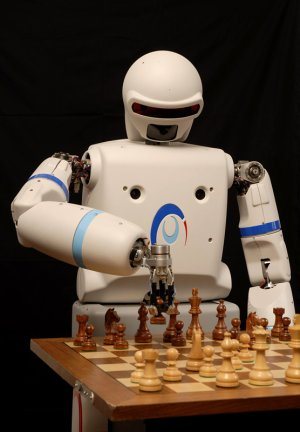 REEM-APAL RoboticsSame job: research · Both walk · Both past robots · Similar size REEM-APAL RoboticsSame job: research · Both walk · Both past robots · Similar size | No public photo yetWe only show photos we're allowed to useGuRooUniversity of Queensland Mobile Robotics LaboratorySame job: research · Both walk · Both past robots · Similar size | No public photo yetWe only show photos we're allowed to useCB2 (Child-robot with Biomimetic Body)Osaka UniversitySame job: research · Both walk · Both past robots · Similar size |
|---|---|---|---|---|
| First shown | 2004-12 | 2005 | 2002 | 2006 |
| Status | Retired | Retired | Retired | Retired |
| Height | 125 cm | 140 cm | 120 cm | 130 cm |
| Weight | 55 kg | 49 kg | — | 33 kg |
| Joints | — | 30 | 23 | — |
| Speed | 1.2 km/h | 1.5 km/h | — | — |
| Payload | — | 2 kg | — | — |
| Battery | 1 h | 1.5 h | — | — |
| Price | — | — | — | — |
Sources
Figures come from press coverage. Every link below backs something on this page.
Photos and logos only identify each robot and its maker. Simbeing is not affiliated with, sponsored by or endorsing any company, and nothing here is advertising. Figures are for statistics only and are not advice of any kind. Terms of use