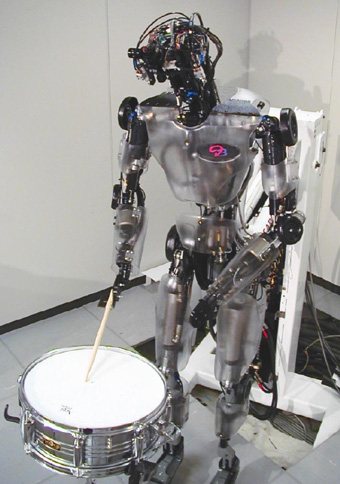
Osaka University · research humanoid
DB
Dynamic Brain
A 1.85 m, 80 kg hydraulic humanoid built by SARCOS for Mitsuo Kawato's project (begun October 1996), with 30 degrees of freedom, a head with four cameras and a gyro 'inner ear', and palms without fingers. It was mounted at the pelvis so research could focus on upper-body movement; the earliest dated description found is a 2000 IEEE paper.
- Price
- —Not published
- Height
- 185 cmTaller than 94%
- Weight
- 80 kgHeavier than 73%
- Payload
- —Not published
- Speed
- —Not published
- Battery
- —Not published
Not sure this is the one? Find the best robot for your job Starts with: research and teaching. Five more quick questions.
Why it matters
A hydraulic full-body humanoid used to study how the brain learns movement; it learned a folk dance and tai chi by watching people and juggled balls.
Real-world use
No customers or deployments reported yet.
Timeline
- Released
- Not yet
Maker
Osaka UniversityUniversity lab · Suita, Osaka, JapanUniversity research lab; ERICA was developed within the JST ERATO Ishiguro Symbiotic Human-Robot Interaction Project.
How it stacks up
Against other humanoids that publish the figure. Pick a measure.
DB (Dynamic Brain) is taller than 94% of the 305 other humanoids that publish a height. Bars show the 7 closest in date.
DB (Dynamic Brain) is heavier than 73% of the 277 other humanoids that publish a weight. Bars show the 7 closest in date.
DB (Dynamic Brain) has more joints than 45% of the 236 other humanoids that publish a joints. Bars show the 7 closest in date.
Not published by the maker: speed, payload, battery, price.
Public attention
A historic robot: no longer sold or in use, so it is not ranked against current humanoids.
- No Wikipedia article of its own yet
- No recent press stories listed yet
Measures how much people read and write about a robot, not how good it is. Measured 2026-10-13; same method for every robot. How it is measured
What’s inside
No component details published yet.
- Hands
- none
- Movement
- Stationary · 30 joints
Lineage
Every ATR and JST ERATO Kawato Dynamic Brain Project, hardware by SARCOS humanoid in order.
- DB (Dynamic Brain)2000Retired
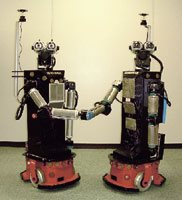 Robovie2001Retired
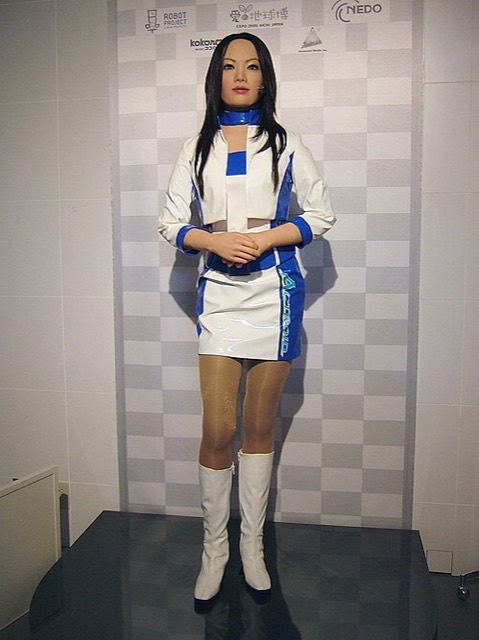 Actroid (Repliee Q1)2003Retired
- No public photo yetWe only show photos we're allowed to useCB2 (Child-robot with Biomimetic Body)2006Retired
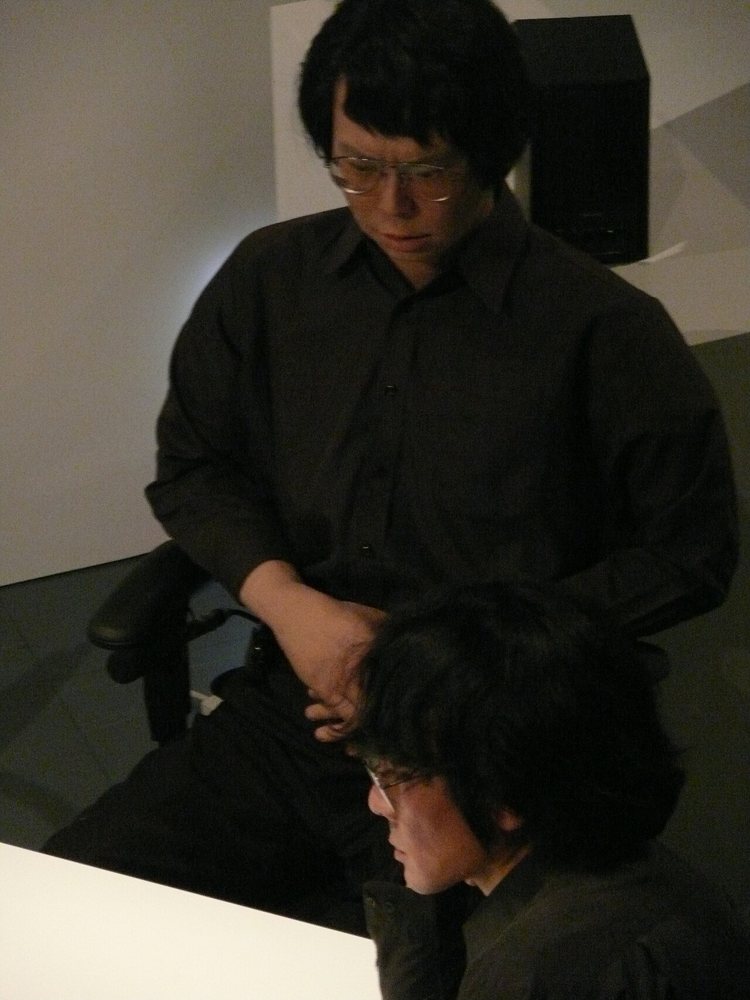 Geminoid HI-12006Retired
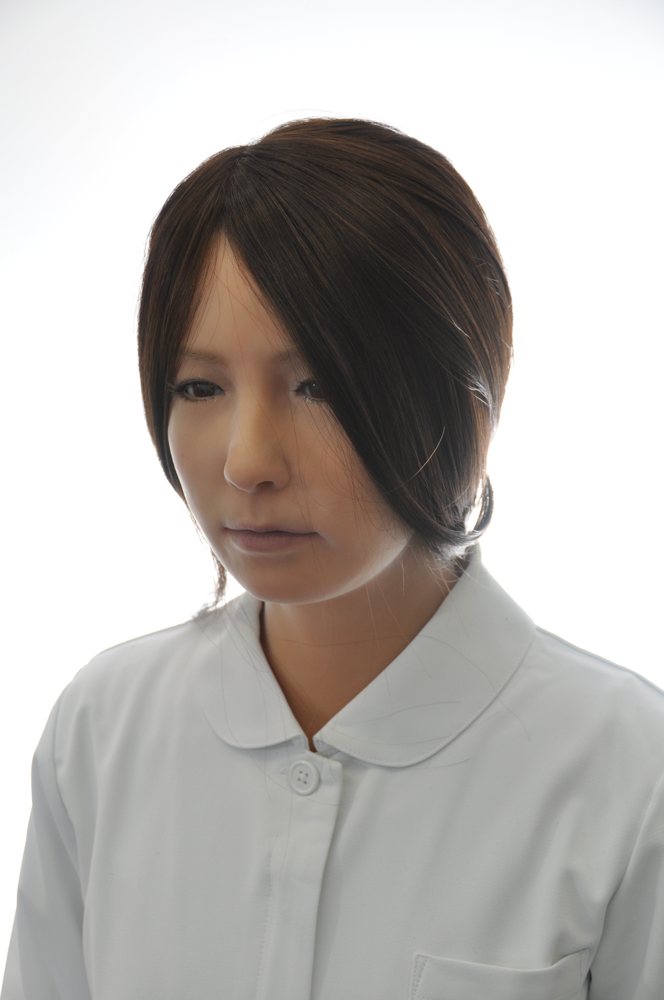 Geminoid F2010Retired
- No public photo yetWe only show photos we're allowed to usePneuborn2011Retired
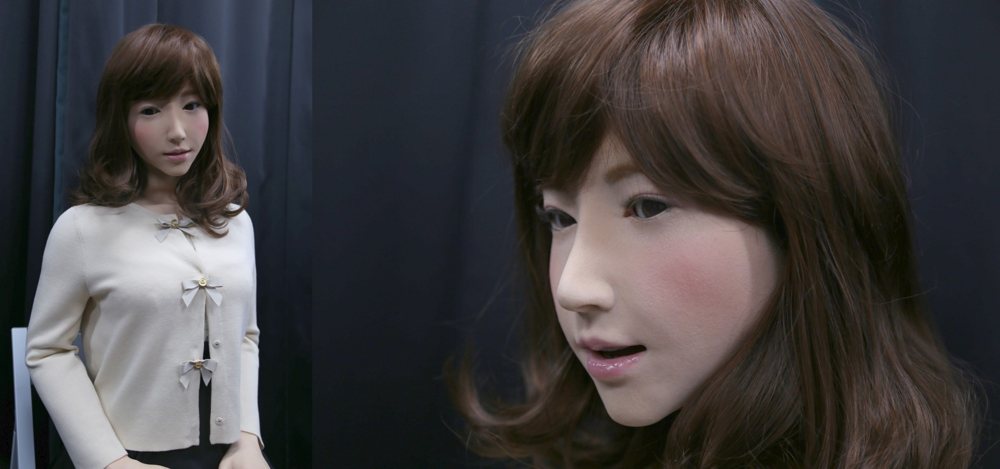 ERICA2015Research
- No public photo yetWe only show photos we're allowed to useAlter 32019Research
Made, sold and where
No production or sales figures published yet.
- Price
- Not published
- How to get one
- No official buying page found
Side by side with its peers
Picked by the same rules for every humanoid: another maker’s robot that moves the same way, is at the same stage and does at least one of the same main jobs, first shown within two years. Closer size and price rank higher. Few robots match closely, so these are the nearest matches. How we choose
| Measure | DB (Dynamic Brain)ATR and JST ERATO Kawato Dynamic Brain Project, hardware by SARCOS | 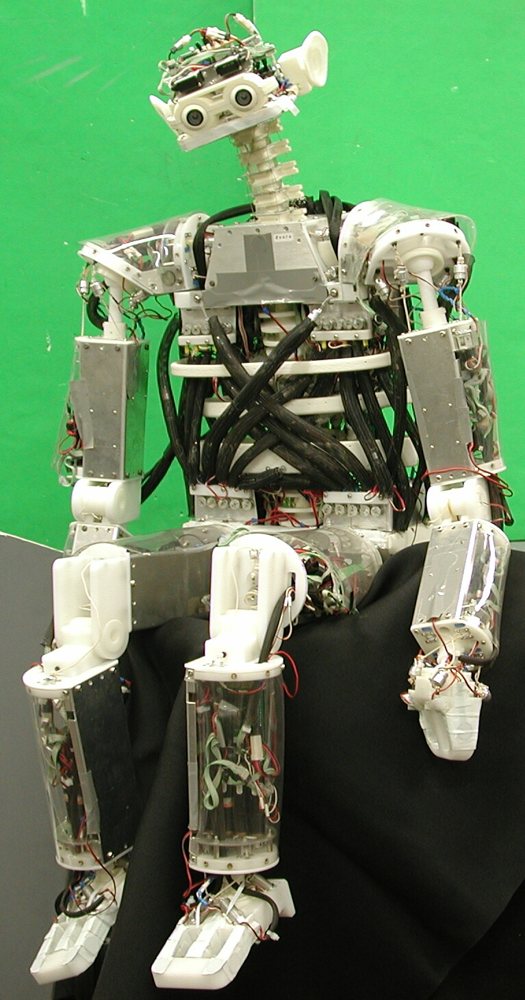 KentaUniversity of Tokyo JSK Lab (Ikuo Mizuuchi, Masayuki Inaba, Hirochika Inoue)Same job: research · Both fixed in place · Both past robots KentaUniversity of Tokyo JSK Lab (Ikuo Mizuuchi, Masayuki Inaba, Hirochika Inoue)Same job: research · Both fixed in place · Both past robots | No public photo yetWe only show photos we're allowed to useSaikaUniversity of Tokyo (Inoue-Inaba lab)Same job: research · Both fixed in place · Both past robots | 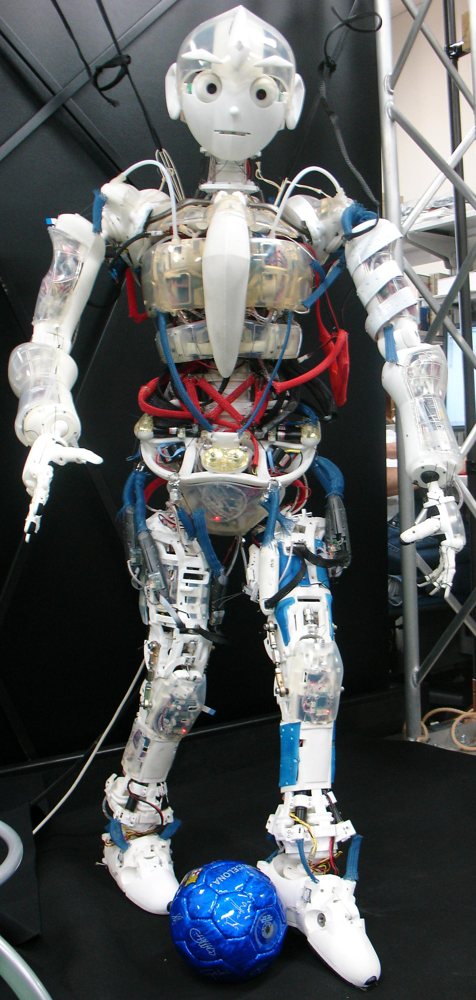 KotaroUniversity of Tokyo JSK Lab (Ikuo Mizuuchi, Masayuki Inaba)Same job: research · Both fixed in place · Both past robots KotaroUniversity of Tokyo JSK Lab (Ikuo Mizuuchi, Masayuki Inaba)Same job: research · Both fixed in place · Both past robots |
|---|---|---|---|---|
| First shown | 2000 | 2001 | 1996 | 2005 |
| Status | Retired | Retired | Retired | Retired |
| Height | 185 cm | — | — | 133 cm |
| Weight | 80 kg | — | 8 kg | 20 kg |
| Joints | 30 | — | — | 91 |
| Speed | — | — | — | — |
| Payload | — | — | — | — |
| Battery | — | — | — | — |
| Price | — | — | — | — |
Sources
Figures come from a published paper. Every link below backs something on this page.
Photos and logos only identify each robot and its maker. Simbeing is not affiliated with, sponsored by or endorsing any company, and nothing here is advertising. Figures are for statistics only and are not advice of any kind. Terms of use