Osaka University · research humanoid
Pneuborn
A robot modelled on a human infant and driven by pneumatic artificial muscles fed by an external compressor, used to study how body and movement shape early development. Two versions existed: Pneuborn-7II with 19 muscles and a jointed spine, and Pneuborn-13, which learned to crawl, sit and stand.
- Price
- —Not published
- Height
- 80 cmTaller than 4%
- Weight
- —Not published
- Payload
- —Not published
- Speed
- —Not published
- Battery
- —Not published
Not sure this is the one? Find the best robot for your job Starts with: research and teaching. Five more quick questions.
Why it matters
A retired humanoid from Osaka University (Koh Hosoda lab).
Real-world use
No customers or deployments reported yet.
Timeline
- First shown
- 2011
- Released
- Not yet
Maker
Osaka UniversityUniversity lab · Suita, Osaka, JapanUniversity research lab; ERICA was developed within the JST ERATO Ishiguro Symbiotic Human-Robot Interaction Project.
How it stacks up
Against other humanoids that publish the figure. Pick a measure.
Pneuborn is taller than 4% of the 305 other humanoids that publish a height. Bars show the 7 closest in date.
Pneuborn has more joints than 36% of the 236 other humanoids that publish a joints. Bars show the 7 closest in date.
Not published by the maker: weight, speed, payload, battery, price.
Public attention
A historic robot: no longer sold or in use, so it is not ranked against current humanoids.
- No Wikipedia article of its own yet
- 1 news story from reputable press listed on this page
Measures how much people read and write about a robot, not how good it is. Measured 2026-10-13; same method for every robot. How it is measured
What’s inside
The parts the company has talked about publicly.
- Hands
- unknown
- Movement
- Walks on legs · 26 joints
- Actuators & motors
- McKibben pneumatic artificial muscles fed by an external air compressor; Pneuborn-7II used 19 pneumatic muscles and a jointed, actuated spine.
- Sensors & vision
- External motion-capture system for tracking.
- Compute
- Renesas H8-3069 microcontroller.
- Battery & power
- Lithium-polymer battery for electronics plus external air supply.
- Materials & build
- Body proportions modelled on a real human infant; 80 cm and 6.4 kg.
- AI & software
- Custom C/C++; pattern generators and learning algorithms let it teach itself to crawl, sit and stand.
- Other details
- Two versions were unveiled in 2011: Pneuborn-7II (seven-month infant model) and Pneuborn-13 (13-month model learning to crawl, stand and walk). Built to study how body and movement shape early development.
Named suppliers:Renesas Electronics
Lineage
Every Osaka University (Koh Hosoda lab) humanoid in order.
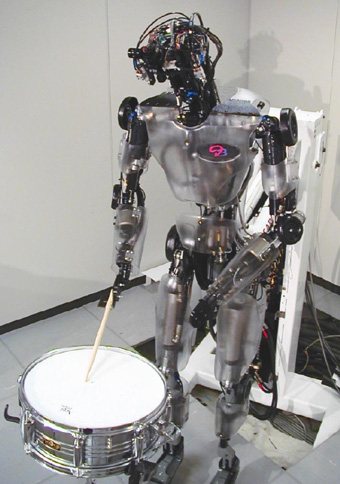 DB (Dynamic Brain)2000Retired
 Robovie2001Retired
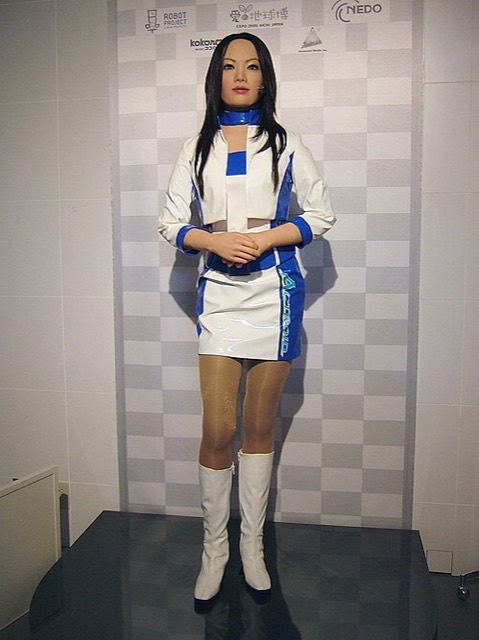 Actroid (Repliee Q1)2003Retired
- No public photo yetWe only show photos we're allowed to useCB2 (Child-robot with Biomimetic Body)2006Retired
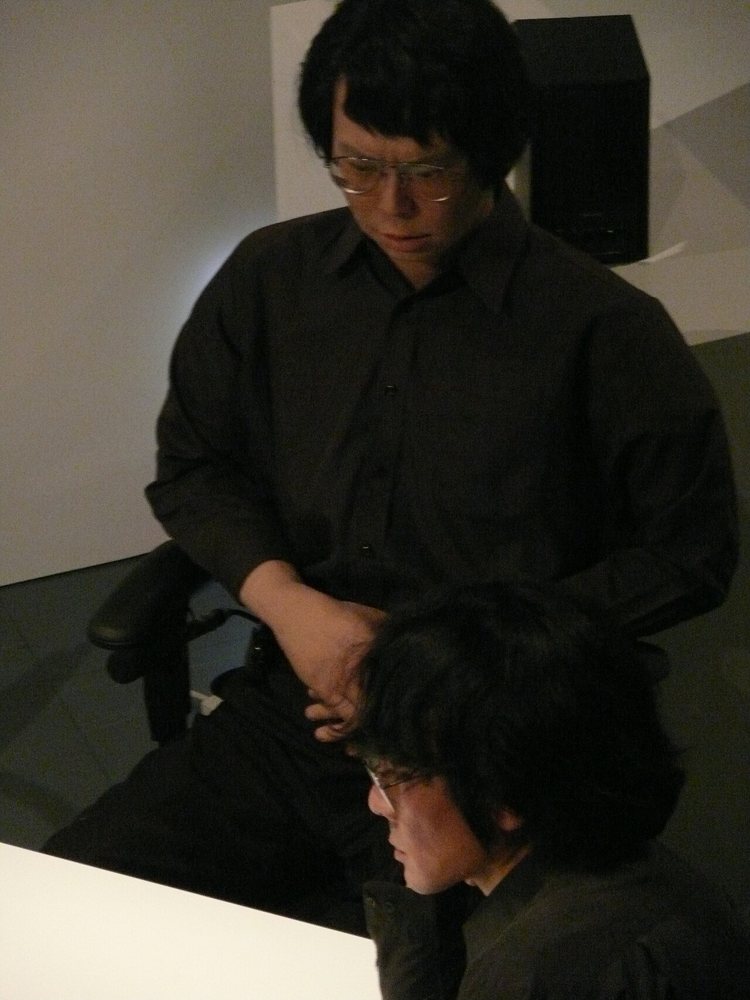 Geminoid HI-12006Retired
 Geminoid F2010Retired
- No public photo yetWe only show photos we're allowed to usePneuborn2011Retired
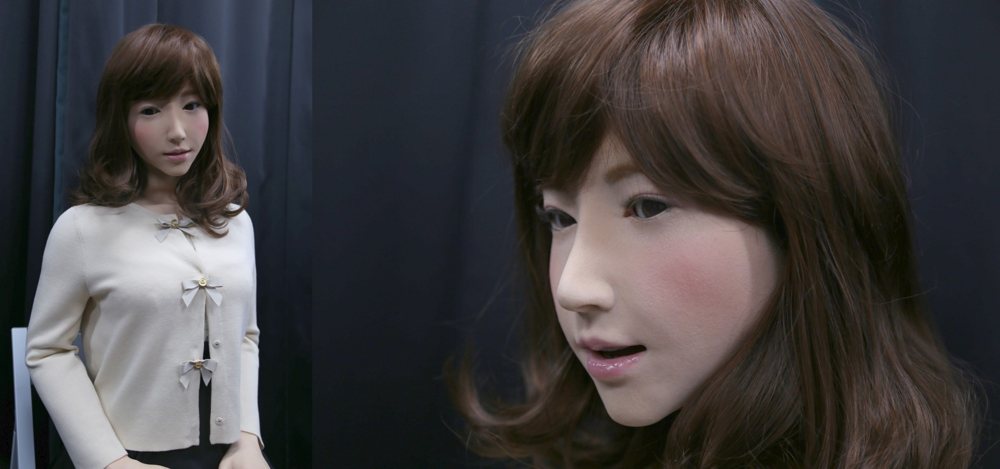 ERICA2015Research
- No public photo yetWe only show photos we're allowed to useAlter 32019Research
Watch Pneuborn
Made, sold and where
Unit counts are usually company figures; analysts often disagree.
- Price
- Not published
- How to get one
- No official buying page found
- Built
- Research prototypes (two versions)
- Sold or delivered
- not sold
- Where it is sold or used
- Osaka University, Japan (Koh Hosoda lab)
News
The latest 1, newest first. Summaries are ours; tap through for the original.
- Pneumatic infant robot in Video Friday
IEEE Spectrum showed Pneuborn-7II, a musculoskeletal infant robot with 19 air muscles and an actuated spine.
IEEE Spectrum
Side by side with its peers
Picked by the same rules for every humanoid: another maker’s robot that moves the same way, is at the same stage and does at least one of the same main jobs, first shown within two years. Closer size and price rank higher. How we choose
| Measure | No public photo yetWe only show photos we're allowed to usePneubornOsaka University (Koh Hosoda lab) | 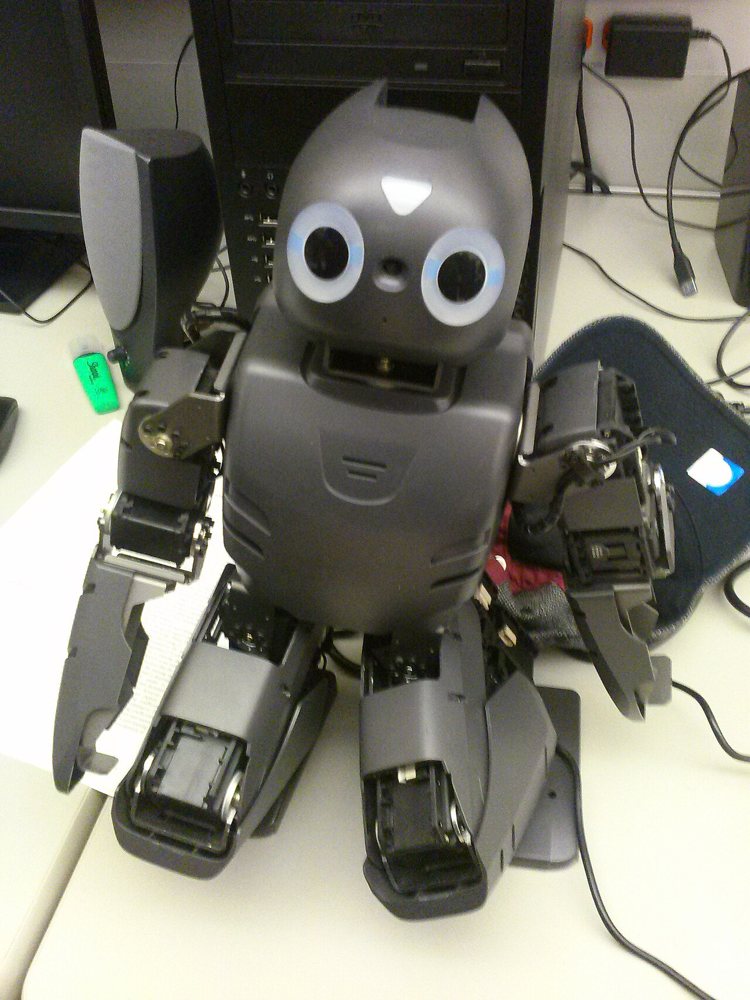 DARwIn-OPROBOTIS (with Virginia Tech, University of Pennsylvania and Purdue University)Same job: research · Both walk · Both past robots · Similar size DARwIn-OPROBOTIS (with Virginia Tech, University of Pennsylvania and Purdue University)Same job: research · Both walk · Both past robots · Similar size | No public photo yetWe only show photos we're allowed to useCOMAN (COmpliant huMANoid)Istituto Italiano di Tecnologia (IIT)Same job: research · Both walk · Both past robots · Similar size | 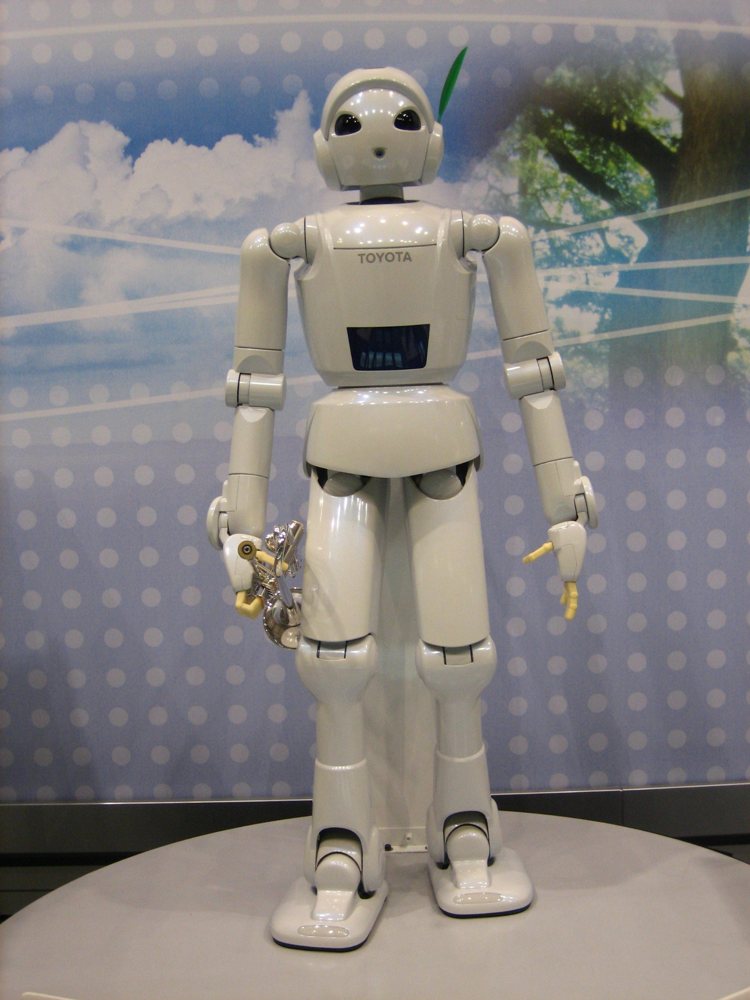 Toyota Partner Robot (running humanoid)Toyota Motor CorporationSame job: research · Both walk · Both past robots Toyota Partner Robot (running humanoid)Toyota Motor CorporationSame job: research · Both walk · Both past robots |
|---|---|---|---|---|
| First shown | 2011 | 2010 | 2012 | 2009-07 |
| Status | Retired | Discontinued | Retired | Retired |
| Height | 80 cm | 46 cm | 95 cm | — |
| Weight | — | 2.9 kg | 31.2 kg | — |
| Joints | 26 | 20 | 25 | — |
| Speed | — | 0.9 km/h | — | 7 km/h |
| Payload | — | — | — | — |
| Battery | — | — | — | — |
| Price | — | $12,000 | — | — |
Sources
Figures come from press coverage. Every link below backs something on this page.
Photos and logos only identify each robot and its maker. Simbeing is not affiliated with, sponsored by or endorsing any company, and nothing here is advertising. Figures are for statistics only and are not advice of any kind. Terms of use