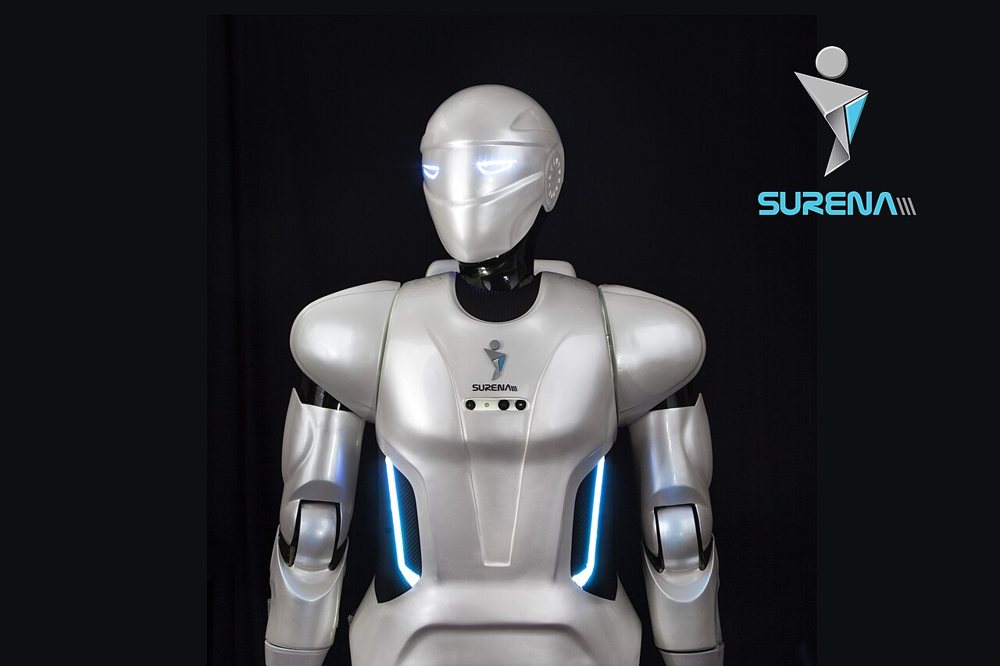
University of Tehran (Center for Advanced Systems and Technologies, formerly Center for Advanced Vehicles) · research humanoid
Surena III
Third generation of Iran's Surena biped, demonstrated in November 2015 with 31 degrees of freedom, between the 2010 Surena II and the 2019 Surena 4.
- Price
- —Not published
- Height
- 190 cmTaller than 96%
- Weight
- 98 kgHeavier than 82%
- Payload
- —Not published
- Speed
- —Not published
- Battery
- —Not published
Not sure this is the one? Find the best robot for your job Starts with: research and teaching. Five more quick questions.
Why it matters
A retired humanoid from University of Tehran, Center for Advanced Systems and Technologies (CAST).
Real-world use
No customers or deployments reported yet.
Timeline
- Released
- Not yet
Maker
University of Tehran (Center for Advanced Systems and Technologies, formerly Center for Advanced Vehicles)University lab · founded 1934 · Tehran, IranIranian public bodies: R&D Society of Iranian Industries and Mines (Surena I), IDRO (Surena III), Presidential Deputy for Science and Technology…
How it stacks up
Against other humanoids that publish the figure. Pick a measure.
Surena III is taller than 96% of the 305 other humanoids that publish a height. Bars show the 7 closest in date.
Surena III is heavier than 82% of the 277 other humanoids that publish a weight. Bars show the 7 closest in date.
Surena III has more joints than 49% of the 236 other humanoids that publish a joints. Bars show the 7 closest in date.
Not published by the maker: speed, payload, battery, price.
Public attention
A historic robot: no longer sold or in use, so it is not ranked against current humanoids.
- No Wikipedia article of its own yet
- 2 news stories from reputable press listed on this page
Measures how much people read and write about a robot, not how good it is. Measured 2026-10-13; same method for every robot. How it is measured
What’s inside
The parts the company has talked about publicly.
- Movement
- Walks on legs · 31 joints
- Actuators & motors
- 31 servomotors: Maxon brushless DC motors with harmonic drives and timing belt-pulley systems in the hips and legs; ROBOTIS Dynamixel AX and MX servos in the upper body.
- Hands
- Can grasp objects (IEEE Spectrum, 2015).
- Sensors & vision
- Kinect-based 3D vision module, encoders in all joints, six-axis force/torque sensors in the ankles, IMU in the torso, microphones for recognising some set Persian sentences.
- Compute
- On-board processor not named; control software runs on the robot.
- AI & software
- ROS-based control; face and object detection, tracking and imitation of a person's arm motions; limited Persian speech recognition with recorded speech output.
- Other details
- About 1.9 m tall and 98 kg. Walks at about 0.2 m/s, climbs stairs and ramps, adapts to uneven ground and can kick a ball. Built by about 70 people from the University of Tehran and five other Iranian institutions, funded by Iran's Industrial Development and Renovation Organization (IDRO) (IEEE Spectrum, 2015).
Named suppliers:ROS (Open Robotics)Harmonic DriveROBOTIS (Dynamixel)maxonMicrosoft (Kinect)
Lineage
Every University of Tehran, Center for Advanced Systems and Technologies (CAST) humanoid in order.
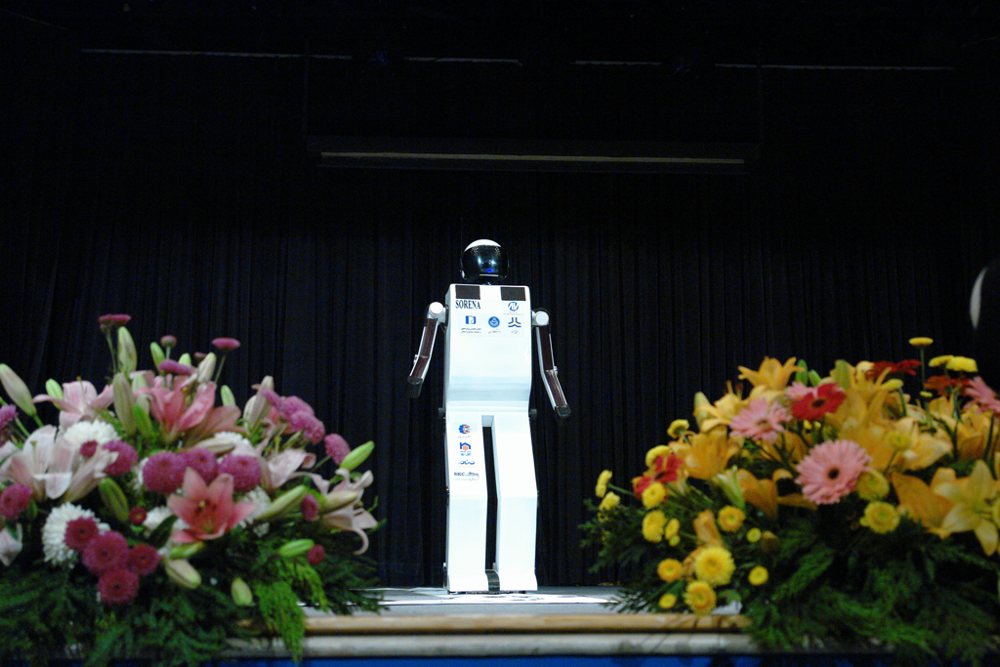
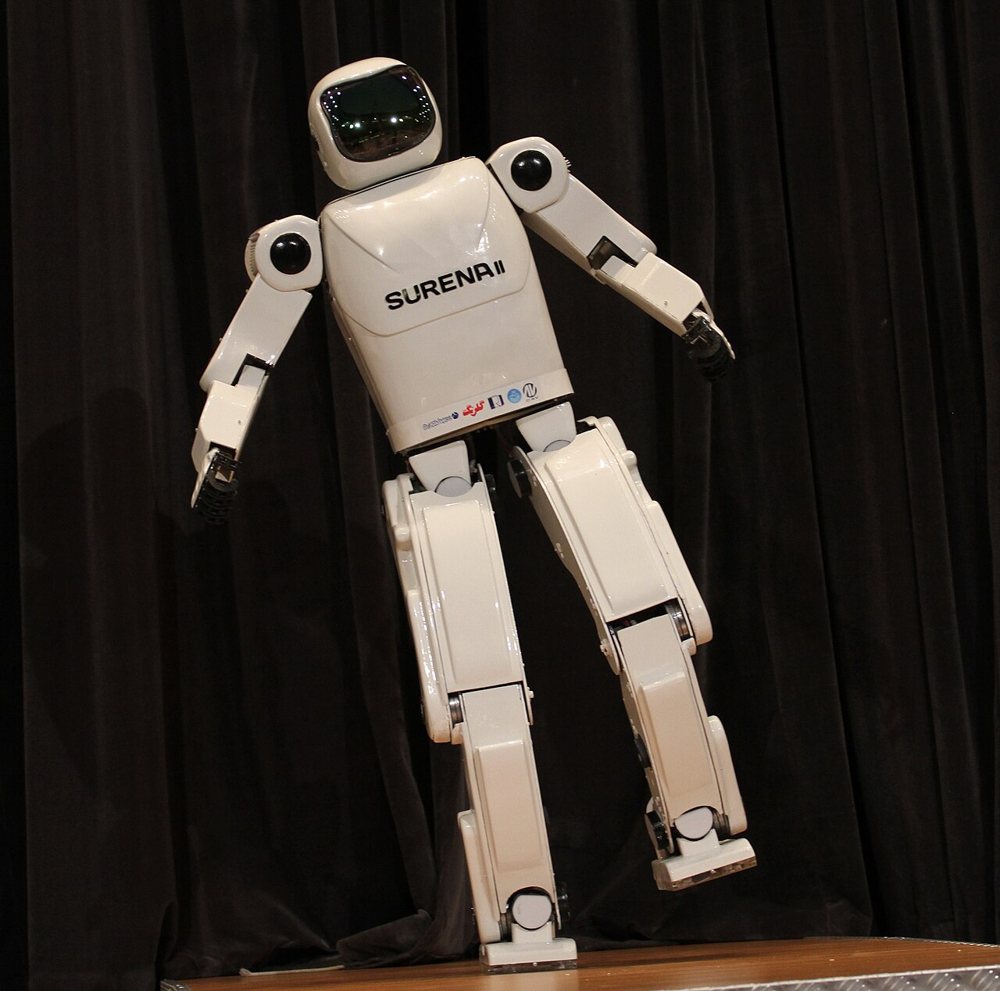
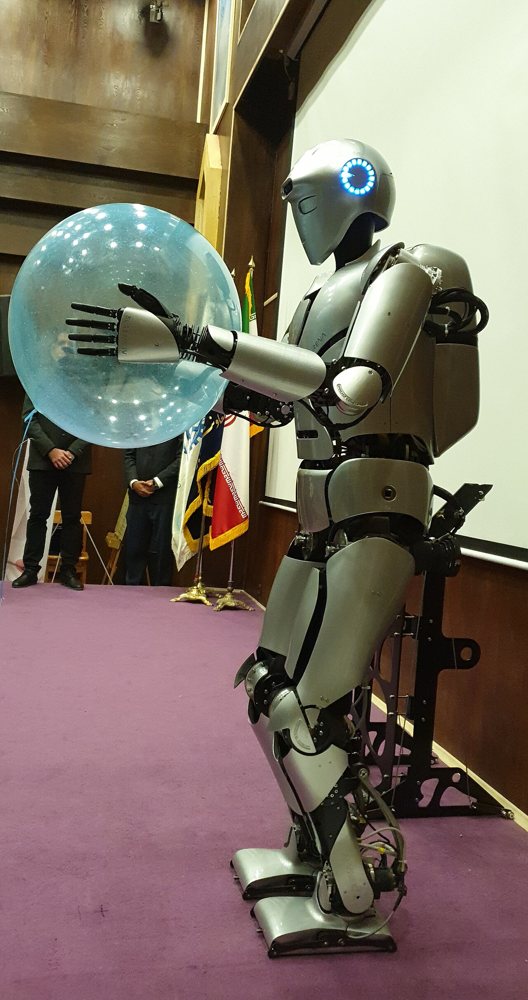
Watch Surena III
Made, sold and where
Unit counts are usually company figures; analysts often disagree.
- Price
- Not published
- How to get one
- No official buying page found
- Sold or delivered
- not sold (research robot)
- Where it is sold or used
- Center for Advanced Systems and Technologies (CAST), University of Tehran, Iran
News
The latest 2, newest first. Summaries are ours; tap through for the original.
- Surena IV
The fourth-generation Surena was unveiled on 14 December 2019 with 43 degrees of freedom.
University of Tehran, Center of Advanced Systems and Technologies (CAST) - Iran unveils Surena III humanoid
University of Tehran researchers showed the 31-DoF biped walking, imitating gestures and balancing on one foot.
IEEE Spectrum
Side by side with its peers
Picked by the same rules for every humanoid: another maker’s robot that moves the same way, is at the same stage and does at least one of the same main jobs, first shown within two years. Closer size and price rank higher. How we choose
| Measure | Surena IIIUniversity of Tehran, Center for Advanced Systems and Technologies (CAST) | 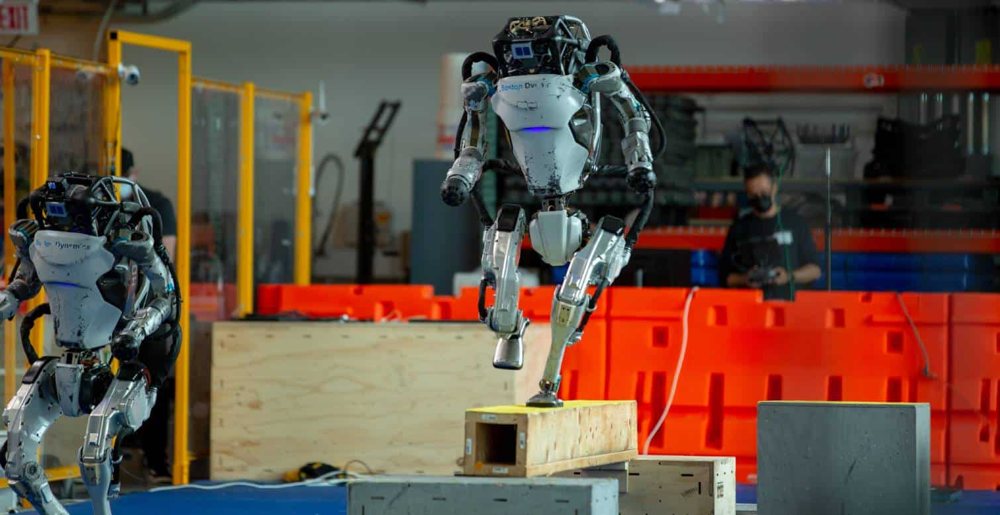 Atlas (next generation)Boston DynamicsSame job: research · Both walk · Both past robots · Similar size Atlas (next generation)Boston DynamicsSame job: research · Both walk · Both past robots · Similar size | 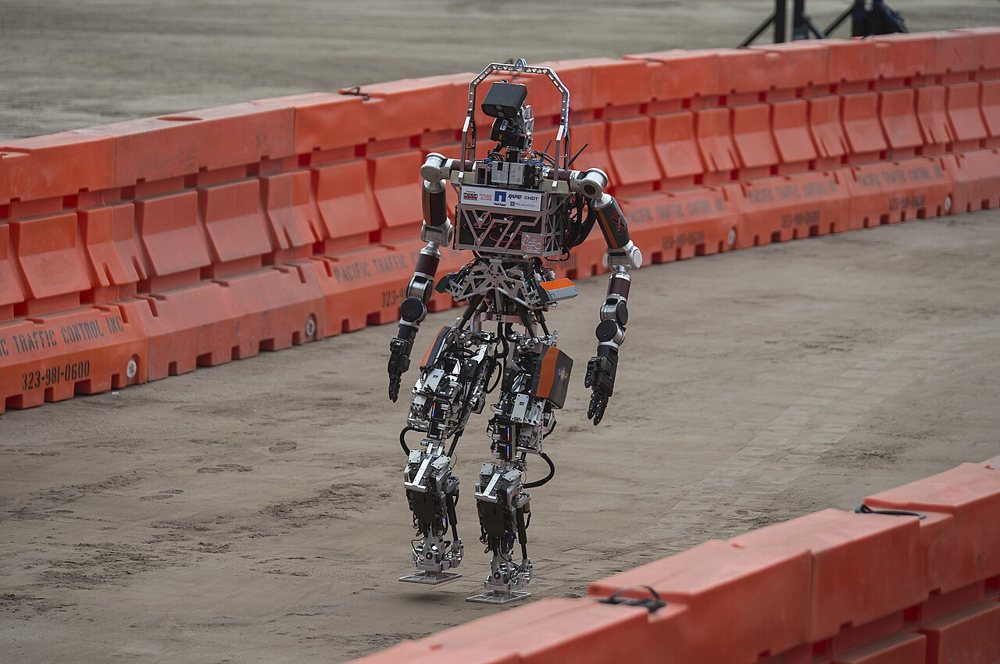 ESCHERVirginia Tech TREC Lab (Team VALOR)Same job: research · Both walk · Both past robots ESCHERVirginia Tech TREC Lab (Team VALOR)Same job: research · Both walk · Both past robots | 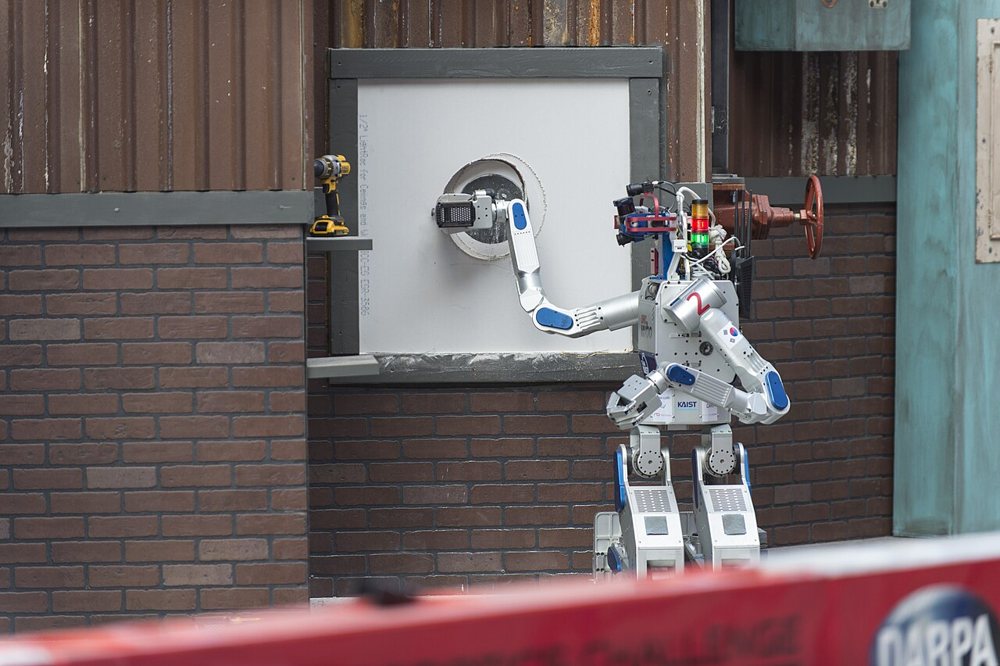 DRC-HUBOKAIST (Team KAIST) with Rainbow RoboticsSame job: research · Both walk · Both past robots DRC-HUBOKAIST (Team KAIST) with Rainbow RoboticsSame job: research · Both walk · Both past robots |
|---|---|---|---|---|
| First shown | 2015-11 | 2016-02-23 | 2015-06 | 2015-06-05 |
| Status | Retired | Retired | Retired | Retired |
| Height | 190 cm | 175 cm | — | — |
| Weight | 98 kg | 82 kg | — | — |
| Joints | 31 | — | — | — |
| Speed | — | — | — | — |
| Payload | — | — | — | — |
| Battery | — | — | — | — |
| Price | — | — | — | — |
Sources
Figures come from press coverage. Every link below backs something on this page.
Photos and logos only identify each robot and its maker. Simbeing is not affiliated with, sponsored by or endorsing any company, and nothing here is advertising. Figures are for statistics only and are not advice of any kind. Terms of use